
Different types of eating disorders
Disordered eating behaviours include a wide range of conditions that do not get the recognition they deserve. In a world bursting with flavours, meals are -for some of us- full of challenges. And for those, food is a battle that extends much beyond their plates. It is not a life choice, it is an overwhelming condition associated with negative beliefs, anxious thought patterns and emotions.

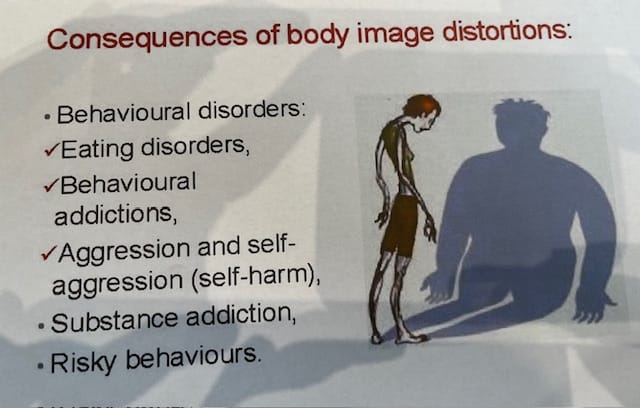
Taken together, eating disorders affect 5% of the population and most often develop during adolescence. The most common types include restrictive eating or avoidance of certain foods, binge eating, emotional eating, dysmorphophobia (body image distortion), purging by vomiting or laxative misuse or compulsive exercise. They often appear similar to an addiction with a distressing need to control every aspect of patients' lives.
The physiology of eating disorders
Beyond nutrition, treatment should address the psychological aspects and medical complications of the ED (Eating Disorder) :
Medical Complications
- malnutrition, macro and micro- nutrient deficiencies
- heart issues, arythmias
- gastro-intestinal symptoms (abdominal pain, bloating, diarrhea, constipation...)
- bone density reduction
- gynecological issues (amenorrhea, reduced fertility...)
- skin problems (acnea, dryness ...)
- fatigue
- weakened immune system
Psycholgical Issues
- anxiety
- mild to severe depression
- obsessive behaviours and need to control "everything"
- isolation
- body image issues
- loss of self-esteem and self-confidence
- feeling of being misunderstood by wveryone especially the family
The need for a multidisciplinary team to combat eating disorders
But with a multidisciplinary care and holistic support, most patients resume healthy eating habits. They also recover their energy, their self-esteem, their emotional and psychological balance ... and most of all peace and happiness.

If you need help or advice regarding eating disorders :
direct line : 07 904 954 842


