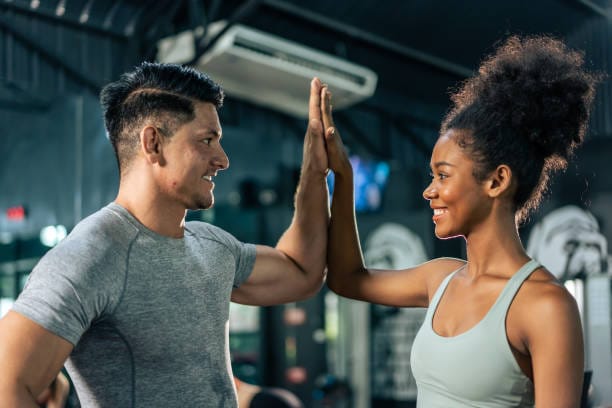
The World Health Organization estimates that in Western countries, over 80% of young people do not get enough physical activity. But times are changing. Today, 19% of 15–24-year-olds (girls and boys alike) engage in physical activity—especially these days, bodybuilding. It is seen as a way to improve one’s appearance and gain self-confidence.
Not so long ago, the only thing our teens were willing to carry was their smartphone! Now it’s dumbbells !
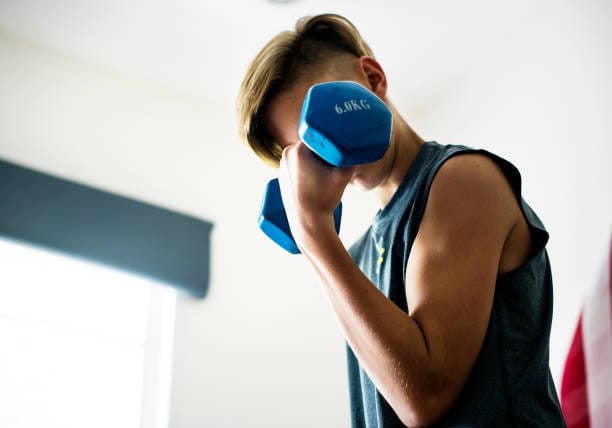
And on top of that, these rebellious teens seem to enjoy the strict discipline imposed by their mentor !
But what could possibly push young people to lift weights rather than play soccer, paddle, basketball…? The particularly low cost aspect of that sport ? Chris Hemsworth’s chest in “Thor” ? The impressed look from girls on the beach? Is it their hormones ?
What are the reasons for choosing bodybuilding as a sport ?
Indeed, at that age, the hormonal profile (especially testosterone levels) plays a major role in muscle development. Adolescence gives these young enthusiasts a unique opportunity to boost their strength, endurance, coordination, heart health, and even bone health.
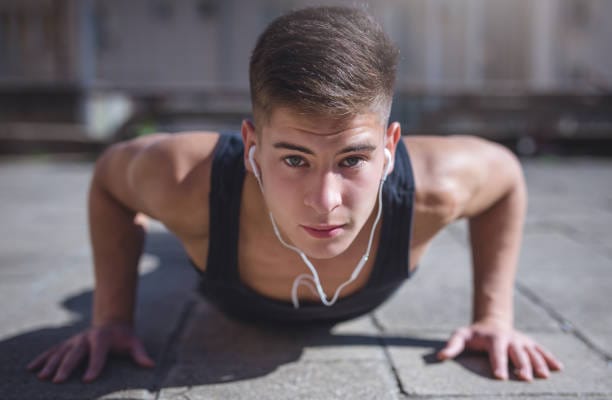
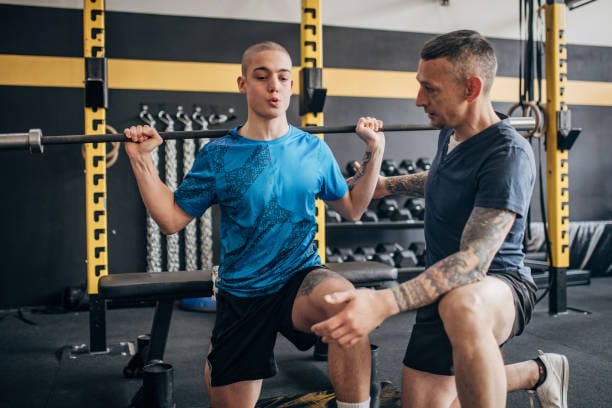
However, professional supervision is essential to respect each person’s biological rhythms, ensure correct posture, organise themed sessions (upper body, lower body...), and schedule rest and recovery days. A good methodology optimises natural changes while minimizing the risk of injuries. A single poorly performed movement can cause ligament damage, muscle tears, or irreversible disc slippage… The increase in weights must be progressive, supervised and so should repetitions.
What programmes are recommended ?
But today, teens’ favorite coach… is Instagram. Since Covid and Joe Wicks, many have been training at home or in the gym in front of their phone screens by following “tutorials” on YouTube or TikTok. Thanks to social media, our young athletes follow influencers with oversized, 100% “home-made” muscles. Drenched in sweat, these coaches (whose qualifications are not always clear) explain how to pump up pecs and biceps by training alone at home and changing their diet based on a simple but very risky programme :
“To get brick-like muscles, eat proteins and carbs during the 'bulking' phase – about 16 weeks – then reduce fat and cut your calorie intake in half to make your muscles more visible. That’s the Cut and Bulk method.” so THEY say ...
The diet issue
This means lots of raw steaks, dozens of eggs per week, and litres of milk every day.
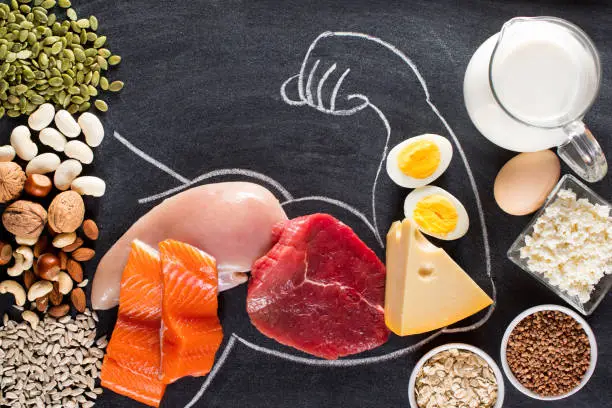
What may initially seem like a healthy lifestyle actually exposes young people to serious dangers: disordered eating habits (obsessive calorie counting, chicken six times a day, XXL omelettes every morning, unbalanced diets that quickly lead to deficiencies and risks of “reverse anorexia”), excessive training (even addiction to exercise and deadlifts), doping, decreased social activity...
Building muscle mass is not easy. And since that severe hyper protein diet is medically dangerous and not sustainable long-term, neither are the results.
What is the role of hormones ? especially of testosterone ?
Often, when acne and digestive problems appear (starting with the not-so-glamorous constipation issue), their routines change and become softer. Indeed, young athletes soon realise that beyond regular and intense training, genetics and hormonal profiles each play a major role, and not everyone progresses the same way. For instance, a young woman with polycystic ovary syndrome (PCOS)—and thus a higher testosterone level—will find it much easier to increase muscle mass.
Most of these teens aren’t trying to compete. Their main goal: a bodybuilder physique to boost self-esteem and confidence — to impress girls, or show off to other guys!
Christophe, 17, tells us:
“I discovered bodybuilding on Google by asking: ‘How can I impress my girlfriend?’ And the first answer was: ‘With biceps like Wolverine!’”
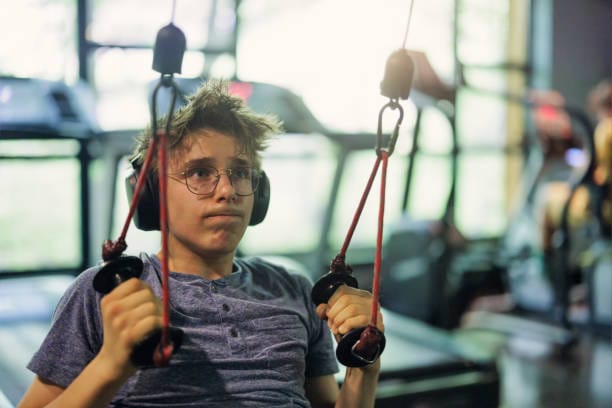
Everyone has their own motivation; what matters at this age is being supervised and avoiding shortcuts like anabolic substances due to their severe side effects: high blood pressure, liver and kidney damage, fertility issues, increased diabetes risk, unstable mood...
Is the use of creatine safe ?
Many take creatine, which increases work capacity during intense exercise and delays fatigue.
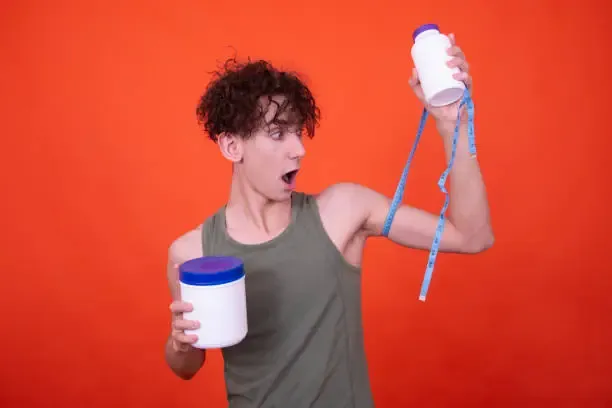
Doctors agree it does not pose significant risks. Experts say the loading dose should not exceed 20g per day for one week, then 5g/day for maintenance. Since it increases kidney workload, hydration is essential. Also note: it’s useless without exercise!
Is whey a better option ?
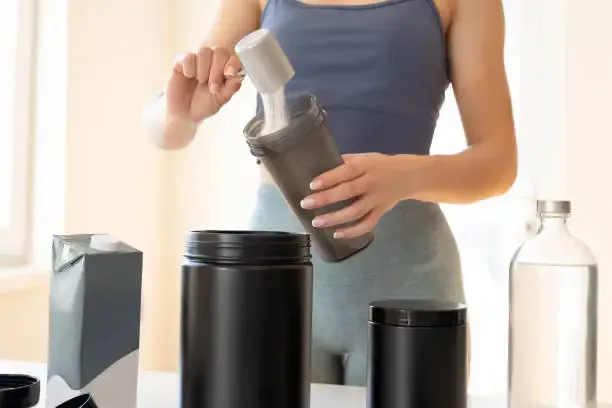
Others prefer whey, a milk protein powder that’s effective AFTER exercise, ideally within 30 minutes post-workout, to better repair micro-joint injuries.
Is bodybuilding contra-indicated for teenagers ?
Contrary to popular belief, bodybuilding is not contraindicated for adolescents—it even promotes bone growth and strengthens the cardiovascular system, as long as it's done in moderation. It must also be supervised by professionals who will help young athletes stay grounded and set realistic goals.
Most importantly: do it for fun!