Millions of us take magnesium supplements for a whole range of reasons : to sleep better, to improve digestion issues, promote relaxation and rest, give our brains a moment of peace, increase muscle function, and increase our energy .
Magnesium is therefore key for your body, your brain and your mood.
It is present in a wide variety of food and the need for supplementation is in fact limited to a number of specific situations.
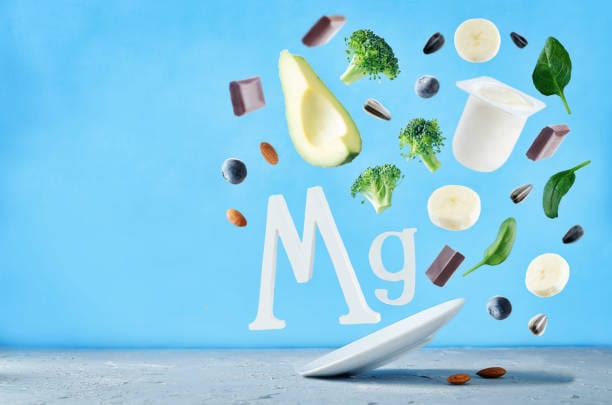
What is Magnesium ?
Magnesium is an essential mineral in the body. Like all minerals, we cannot produce it ; our reserves depend entirely on our food intake.
Magnesium plays a major role in nerve and muscle functions, in bone development, in blood sugar control, and in blood pressure. It is an essential player in moving calcium and potassium in and out of our cells, which maintains the rhythm of our heartbeats.
Magnesium makes up less than 1% of us but it is involved in over 300 different processes. A deficiency will therefore disturb a wide number of physiological functions and cause fatigue, stress and muscular issues.

Unfortunately, it is difficult to test for magnesium deficiency because the vast majority of our magnesium is stored in our bones and tissues. So a blood test cannot give reliable results. It is therefore essential to focus on symptoms and on potential reasons for being deficient.
What are the main causes of magnesium deficit ?
1) NUTRITION
Low magnesium levels are mostly linked to insufficient nutritional intake. Lack of variety in your diet ; regular consumption of processed food and repeated diets will increase the risks of deficiency in many micronutrients including magnesium.
2) STRESS
Stress is a normal reaction when there is a threat. It will trigger a series of physiological reactions to escape that danger : increased heart rate to feed your muscles with blood and oxygen, muscle contractions to enable you to run away fast if necessary, maximum state of vigilance etc... All these are triggered by a sudden release of adrenaline - hormone which eliminates magnesium in the cells via the kidneys.
The more stressed you are, the more magnesium you need and use. Now a deficit in magnesium will promote stress. It is indeed a dangerous vicious circle.
3) SPORT
Intense physical activity increases loss of magnesium, through sweating. We lose 30 to 40 mg of magnesium per litre of sweat per hour, more if it’s hot. Sport requires energy. And magnesium intervenes in the production of energy (because magnesium enables glucose -our main fuel- to migrate inside our muscular cells to be transformed into energy). The more energy you need, the more magnesium you need and use.
When nutrition is not enough, it is then a good idea to take supplements to reduce the risks of cramps and fatigue and possibly boost performances.

4) ALCOHOL
Excessive alcohol consumption entails a loss of vitamins and minerals including magnesium - through urine. Too much alcohol consumption may also lead (long term) to decreased intestinal absorption of magnesium.
5) A number of medications
Some medications may decrease stocks of magnesium – for example : the contraceptive pill (as it increases levels of œstrogens), some antibiotics, most diuretics (prescribed in case of high blood pressure), immunosuppressants, proton pump inhibitors used to treat chronic acid reflux, ZINC that has an antagonist effect...
6) some digestive pathologies
Before reaching the blood system, magnesium is absorbed by your intestines. If your gut is damaged due regular diarrhea (frequent in Crohn’s disease, Gluten intolerance, Coeliac disease, recto-colitis …), the loss of magnesium is almost inevitable and a supplementation becomes necessary
7) AGE
As we age our stock of magnesium dwindles. Especially after 60 because
· Our bone density reduces (and ½ of our magnesium is stored in our bones),
· Our intestinal absorption is reduced,
· Our kidneys are less efficient and eliminate more magnesium than usual in urines,
· We have a less varied diet so a smaller magnesium intake,
· We may have digestive pathologies inhibiting the absorption of magnesium,
· We often take medications with antagonist effects (Zinc for menopause).
Genetic disorders are extremely rare.
What are the signs of a magnesium deficiency ?
Symptoms include : fatigue, higher blood pressure, higher blood sugar, more headaches and muscle cramping, anxiety, stress, trouble sleeping, a blinking eye lid …
Which foods contain magnesium ?
It is absolutely possible to get enough magnesium from food.

Magnesium can be found in dairy products, fish, bread, nuts, whole cereals, shell fish, leafy greens (brocoli, kale, spinach, edamame), whole grains, seeds, beans, dark chocolate, fruits (bananas, papaya, kiwis, blackberries, avocado, lentils), soy products.
if you don't regularly consume these types of foods, you're probably also short of other essential nutrients like vitamin C, vitamin K, fibre and prebiotics too.
"One magnesium supplement is not going to sort all that."
What are the benefits of magnesium ?
Magnesium can support better sleep because it promotes relaxation and healthy sleep patterns. People who have ”a busy brain ” benefit most. Often, they have anxiety that can be quieted or suppressed during the day, but at night, these thoughts become busy, louder and harder to ignore. Magnesium will then, help them help calm their nervous system.
Magnesium also helps regulate neurotransmitters such as GABA (gamma-aminobutyric acid), which slows down brain activity and promotes relaxation. Higher GABA activity can make it easier to fall asleep and stay asleep. If anxiety or racing thoughts keep you from getting to sleep or if they wake you up, magnesium will promote the production of those neurotransmitters and help you sleep.
Magnesium reduces stress and anxiety
Magnesium helps regulate the body’s stress response by lowering cortisol levels and supporting the parasympathetic (“rest and digest”) nervous system.
Lower stress will lead to better sleep.

Magnesium supports melatonin production
Magnesium has a role in the production of melatonin, a natural hormone that helps regulate the body’s sleep-wake cycle.
Incorporating magnesium along regular sleep hygiene practices — such as keeping a consistent bedtime routine, limiting screen time before bed, reducing caffeine and alcohol intake, and creating a comfortable sleep environment — will definitely enhance sleep quality and overall well-being.
Magnesium may help with insomnia
Some people with insomnia have low magnesium levels. Supplementation has shown improvements in sleep quality for some groups,
Magnesium relaxes muscles
Magnesium helps muscles relax and prevents cramps or restless-leg sensations that can disrupt sleep

What are the most common forms of magnesium ?
- Magnesium glycinate – most recommended for sleep, stress and IBS (gentle on your stomach).
- Magnesium citrate – good for constipation issues and easily absorbed but it can be laxative at higher doses.
- Magnesium threonate – may help with calming stress. It is much more expensive.

Who is magnesium for ?
Magnesium supplementation will support the health and energy of pregnant or breastfeeding women, older adults, patients with constipation issues, people who drink alcohol regularly, all those who have a diet high in ultra-processed foods, patients with Diabetes 2 or with gastrointestinal disorders.
But for most of us, a varied diet is enough to cover our needs.