The Pros and the Cons of vitamins for children
Children’s vitamins are flooding pharmacies and supermarkets.
Marketing sings their praises—but are they really useful? What are the risks of overdosing or inappropriate use? What about excipients loaded with additives, artificial flavours, sweeteners, animal gelatin…? A new national study answers your questions.

The rising popularity of vitamins and supplements for kids
In England, as across Europe, the consumption of vitamin and dietary supplements for children is growing spectacularly. These concentrated sources of nutrients have gradually become part of everyday family life. But behind their rising popularity lie many questions—both about their real usefulness and their safety.
Costs today
Today, according to a study conducted in the UK by the Clearpay platform, we spend an average of £234 per year on vitamins and dietary supplements for each of our children. This amount is almost identical to what we parents spend on our own supplements—£241 per year on average— That is only £7 more than for our children. Are these expenses really worthwhile? Do these products actually work? Worse still, do they pose health risks?
What is the importance of vitamins and nutrients for children ?
The range on offer is now vast: prevention of winter infections, improved concentration, support for growth, strengthening of the immune system…

These products respond to parents’ concerns, as we are aware that modern eating habits have become richer in sugar, fat, and calories, and poorer in minerals and vitamins. In 2026, more than 90% of us are convinced that our children’s diets lack variety and lead to deficiencies. Of course, our children’s future is built day by day, from their earliest years. Parental concern for their health and nutrition is therefore entirely legitimate.
As a result, here in Great Britain, the majority of parents (92%) have bought vitamins and dietary supplements for their children over the past year. Their primary goal: to prevent them from missing school or nursery because of nasty viruses.
Which vitamins and why ?
The most popular products are multivitamins (89%), vitamin C (65%), vitamin D (61%), probiotic yogurts (56%), and iron (51%). The figures are similar in France.
In 2026, major trends include attractive formats (gummies, soft jellies, syrups), formulations perceived as “healthier” (no added sugar, no artificial colorings), and functional ingredients. Sales of magnesium for children increased by 296% in one year, vitamin D by 231%, and probiotic drinks by 228%.
However, these developments are accompanied by growing criticism from consumer associations regarding high prices, aggressive and misleading marketing aimed at children, and the real usefulness and effectiveness of these products within the context of a balanced diet.
Indeed, despite the costs and the skepticism of pediatricians and nutritionists about the claimed benefits of these tablets, 44% of parents plan to spend more on dietary supplements for their children in 2026. The CEO of Clearpay explains:
“While many households continue to face a general rise in the cost of living, health is clearly an area in which parents want to keep investing.”
What is the right amount ? What are the possible side-effects ?
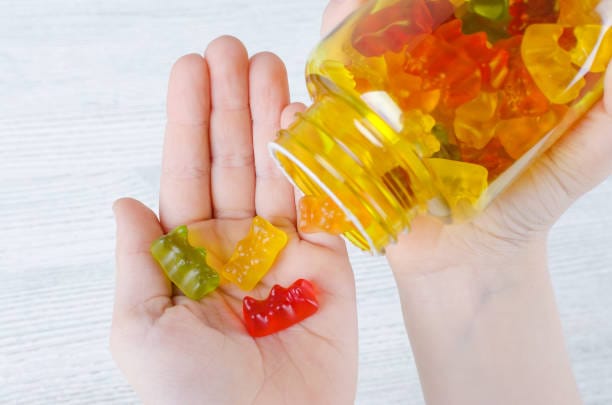
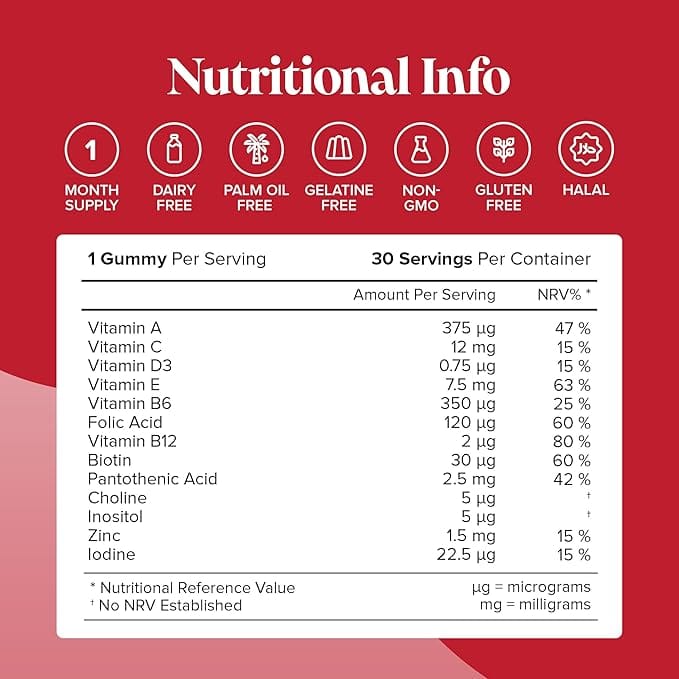
Moreover, many admit they struggle to choose the right dosage for their children because reference intakes (NRV: Nutrient Reference Value) are often calculated for the adult population—even on pediatric packaging. Yet overdosing can lead to significant side effects in young children. For example, with just one “yummy gummy” per day, it is possible (depending on the brand) to reach four times a child’s vitamin A requirements. And, vitamin A poses health risks in cases of overdose.

The case of vitamin A
Dr. Nabli, a general practitioner in London, tells us:
“According to UK Government Dietary Recommendations, the maximum daily doses for vitamin A are 400 micrograms for children aged 1 to 6; 500 µg between 7 and 10 years; and 600 µg between 11 and 14 years. With gummies, poisonings in children are common due to their playful appearance. Younger children tend to mistake them for sweets and may eat several at once. They should be stored in a locked medicine cabinet. In cases of acute poisoning, symptoms are mainly digestive—nausea, abdominal pain, irritability, dizziness, vomiting, headaches. In the long term, when overdosing is chronic, problems are hepatic, dermatological, and skeletal.”
In addition, vitamin A is easily found in everyday foods. This is why it is essential to follow the instructions on manufacturers’ leaflets— and not give two tablets when only one is recommended. The tablet should not cover 100% of the child's needs as his / her nutrition will also provide a whole range of nutrients.
The importance of vitamin D
Vitamin D supplementation is the only one that younger generations truly need, due to lack of sun exposure, particularly in winter.
The risk of overdose is minimal for water-soluble vitamins (especially B and C), because they are excreted in urine. However, care must be taken with fat-soluble vitamins that are stored in the body (vitamins A, D, E, and K).
Misleading packages
Also check the packaging for other ingredients. For many of the much-loved gummy vitamin bears and dinosaurs, the first ingredient listed—and therefore the most significant—is often sugar or glucose syrup, in proportions similar to any regular candy. Not too serious for one little bear a day if it helps your child accept a supplement—but this extra sugar must be considered in their daily intake. There are also “sugar-free” versions, but these contain sweeteners. All of them concentrate a rather chemical cocktail of additives, colourings, flavours, and animal or synthetic gelatin.
Real deficiencies in vitamins and nutrients
Certain conditions, chronic illnesses, and eating disorders can lead to deficiencies and require supplementation—but again, only a doctor or dietitian can provide proper guidance.
Finally, from an educational standpoint, it does not seem very logical to give a child a candy in order to stay healthy!