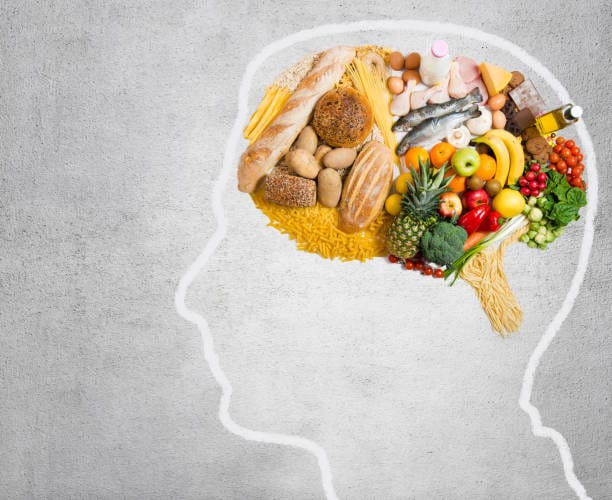
Your brain is your most vital organ—it runs every thought, feeling, and perception you have. Yet, while we obsess over our outward appearance, we often neglect to properly nourish the brain itself.

Your diet doesn’t just affect your waistline—it directly shapes how your brain functions. Poor nutrition can slow down your memory, cloud your thinking, and disrupt your mood. Understanding the connection between food and brain health is the first step to improving concentration, mental clarity, memory, and performance—whether at school, university, or work.
Food and Brain Function: more than just calories
What is the link between cognition and nutrition ?
The answer is now clearer than ever. More and more scientific studies show how micronutrients—vitamins, minerals, and trace elements—play a key role in the development and efficiency of brain function. Any deficiency will have a definite impact on your concentration, creativity, memory and faculty to organise your thoughts.
I The Nutrient Deficit Epidemic
Unfortunately, worldwide, nutrient deficiencies are widespread. Among those, the most detrimental for brain activity is a low level of w3 fatty acids.
After fatty tissue, the brain is the second most lipid-rich organ in the body - meaning it needs healthy fats to function.
A) Omega-3s : the brain’s essential lipids
80% of the global population lacks sufficient omega-3 fatty acids. The best omega-3 levels are found in Nordic countries and Japan, where diets are rich in fatty fish and seaweed. France ranks poorly, just ahead of the United States and Canada, which have the lowest omega-3 levels.
According to French health authorities (ANSES), adults should consume at least 250 mg of DHA and 250 mg of EPA daily, not as a short-term “cure,” but year-round.
The omega-3 fatty acid DHA is crucial for brain structure—it’s literally part of the neuronal membrane. Without enough DHA, neurons lose efficiency.
DHA is found in fatty fish like salmon, mackerel, or sardines— unfortunately, these often contain heavy metals and microplastics. As for "farmed fish", they have lower DHA levels because they are fed vegetable oils instead of marine diets.
Alternatives and supplements
A safer alternative is micro-algae, which naturally produce DHA. Fish accumulate DHA by eating them. Those micro-algae are actually used to enrich baby formulas. They can also be bought in the form of supplements.
Omega-3 supplementation has been shown to reduce anxiety, stabilize mood, and even support depression treatment, including bipolar and borderline disorders. After just 28 days without supplementation, brain omega-3 levels begin to drop—a reminder that consistency matters.
B) Other Key Micronutrients for the brain
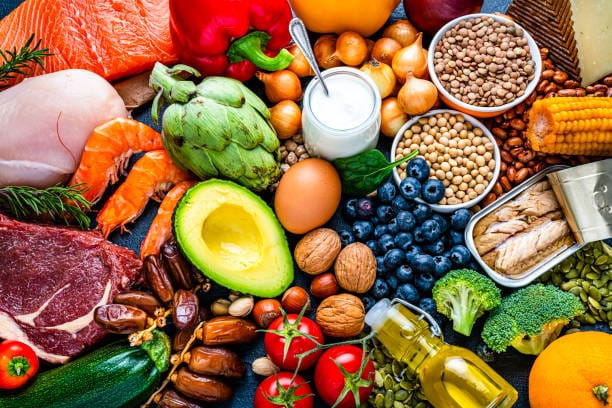
- Zinc. Zinc supports focus, stress resistance, and memory. Zinc rich food include : meat (beef, lamb, chicken...), oysters, shellfish (crab, lobster...), legumes ( lentils, chickpeas...), seeds (pumpkin, hemp...), dairy, eggs, whole grains, even dark chocolate !
Of note, keep in mind that excessive zinc intake can reduce iron absorption.
- Vitamin D. The essential role of vitamin D in brain function has recently been made even clearer as scientists have discovered vitamin D in the hippocampus, the brain’s memory center—linking vitamin D to learning and mood regulation. Vitamin D is present in oily fish (sardines, salmon, mackerel, trout, tuna, cod liver oil ...), egg yolks, some fortified cereals.
- The vitamins "B6-B9-B12 combination" has proved to be particularly efficient in boosting the synthesis of serotonin, melatonin (sleep), and dopamine (energy). Eat lots of leafy greens, spinach, kale, salmon, chicken, liver, eggs, nuts, seeds, whole grains, yeast
- Theanine, an amino acid found in green tea—particularly matcha—promotes calm AND focus without drowsiness or overstimulation. It can be safely consumed up to 250 mg per day, though it may reduce iron absorption.
drink lots of green, white, oolong teas ; eat soya beans, dark chocolate and seaweeds
C) Neurotransmitters: Built from What You Eat
Our brain chemicals, called neurotransmitters, are made from amino acids which are found in dietary proteins:
- Tryptophan → Serotonin (poultry, turkey, chicken, salmon, tuna, milk, cheese, eggs, peanuts, almonds, walnuts, pumpkin and sesame seeds, lentils, chickpeas, soy, oats, quinoa ...)
- Tyrosine → Dopamine (meat, beef, pork, poultry, cheese, milk, yoghurt, eggs, tofu, nuts, seeds, lentils, whole grains...)
- Glutamate → GABA (aged cheeses like parmesan, cured meats, seafood, tomatoes, mushrooms, tofu, walnuts, eggs, milk, peas...)
If protein intake is insufficient—or if the body struggles to absorb nutrients properly—neurotransmitter synthesis can be disrupted, leading to impaired brain function.

Modern Diets and Brain Vulnerability
Today, one-third of the foods consumed in France are ultra-processed—laden with saturated fats, refined sugars, additives, and stripped of nutrients. These products also disrupt the gut microbiome, which in turn weakens immunity and mental resilience. A poorly nourished brain becomes more vulnerable to stress, anxiety, and mood swings, just as the body becomes sensitive to cold without proper protection.
Biological stress can also be triggered by psychological stress—for example, bullying or workplace harassment—which activates inflammatory responses in the body. This is where psycho-nutrition offers an integrative view: mental stress, inflammation, and nutrition are interconnected.
In Summary
A balanced diet rich in omega-3s, zinc, vitamins D and B, and antioxidants, combined with mindful eating habits, can strengthen mental clarity, resilience, emotional balance and academic or professional results !