Eating disorders (EDs) affect millions of people (around 10% of the population in France and England). They are the subject of many medical classifications, yet they are still poorly understood today.

How can they be recognized ? Understood ? Overcome ?
How can someone suffering from an eating disorder be supported ?
Eating disorders are characterised by a particular relationship with food and an obsessive preoccupation with weight, body image, and the quality and quantity of food on the plate. They are long-lasting behaviours that generate inner distress and immense but well-hidden suffering. They are not simply a matter of weight, or nutrition. They are often a form of perfectionism or a protective mechanism. They are mostly symptomatic of a fragile self-esteem and poor self-confidence. They have huge psychological, physical, and social consequences. They require multidisciplinary care to maintain overall health, reduce anxiety and regain a happy relationship with food.
Eating disorders present in several forms, sometimes overlapping. Some are also atypical and are therefore harder to identify.
Those affected by any kind of eating disorder do not always see clearly the pathological aspect of their behaviour. They genuinely struggle to understand why their family and friends worry so much for them. However legitimate and well-intentioned the relatives' questions and concerns are, the suffering person will try and de-dramatise the situation. Some are more aware than others ; some are just going through a difficult crisis, some are really sick and need help.
What are the main categories and different kinds of eating disorders ?
A few definitions will help clarify what the main categories and nuances are, and prevent risky situations from developing or getting worse. They may also confirm that the issue is NOT an eating disorder.
If you have doubts, it is much safer to ask a professional who may very well reassure you and confirm the present problem is not alarming, that it is just a temporary crisis. In case there are real concerns, he/she will direct you to the right specialist and the best solution to get better. With eating disorders, the more you wait to treat them, the more difficult it is to recover. Checking it out is always a good idea. You will always be given very helpful general nutritional advice to improve your health and performances anyway !
So, among the main categories :
Anorexia nervosa
Affecting 0.5% to 1% of the population, anorexia nervosa is marked by a pathological and obsessive concern with appearance and a restriction of food intake. The resulting weight loss aimed at achieving a “perfect” body can—if too severe—impact hormonal, bone, gynecological, immune, and psychological health, and may even become life-threatening.

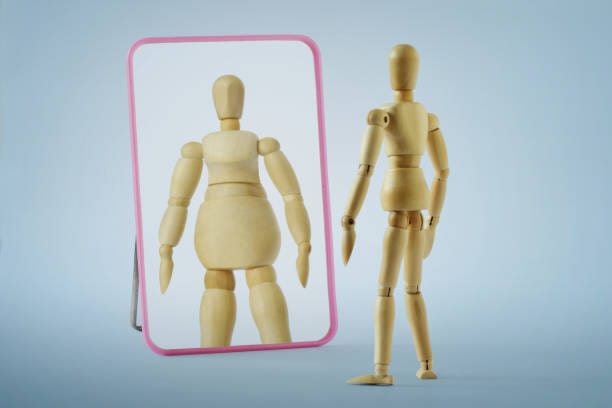
Anorexia nervosa is characterised by strategies to control many aspects of daily and social life, particularly weight (sometimes vomiting, purging, intensive exercise...). It is often accompanied by a distorted perception of one’s own body ("body dysmorphia"). It may also include digestive functional symptoms (especially constipation), irritable bowel syndrome, physical hyperactivity, highly selective eating, and the disappearance of the menstrual cycle (amenorrhea). Feelings of hunger, frustration and isolation are frequent and have a negative impact on the mood. Bulimic episodes can occur.
Bulimia
Bulimia is characterised by an uncontrollable and irresistible urge to eat (“craving”) without physical hunger, leading to excessive food intake (far beyond the body’s needs) over a very short period and without pleasure. This is followed by feelings of guilt and shame, along with strategies to prevent weight gain—most often repeated vomiting followed by periods of food restriction, or the use of laxatives, diuretics, fasting, or excessive exercise.
These binge-eating episodes are uncontrolled. Food consumption is far beyond nutritional needs and extremely rapid. Self-esteem is then severely affected.

Binge Eating Disorder
Binge Eating Disorder is very similar to bulimia: ingestion of a large quantity of food in a short period, accompanied by a sense of loss of control. Unlike bulimia, however, there are no compensatory behaviours after the episodes. Weight gain is often rapid and significant and may lead to obesity.
Food intake is not driven by physical hunger and may continue until marked abdominal discomfort. It is accompanied by shame about the amounts consumed, disgust, low mood, guilt, and psychological distress.
Orthorexia
Orthorexia is characterised by behaviours similar to anorexia, with ritualised eating habits and very strict rules. However, the core of this disorder is an obsession with eating the “right” or the “healthy” foods. The person does not focus on calories but on the type of food consumed. They feel compelled to eat “clean,” with no regard to overall nutritional balance.
Orthorexia focuses on “pure” eating rather than weight loss. The difficulty with this disorder is that it is particularly hard to identify, as it hides behind seemingly healthy attitudes, combined with an exaggerated fear of illness, feelings of being “impure,” anxiety, and a strong need for control.
Night Eating Syndrome
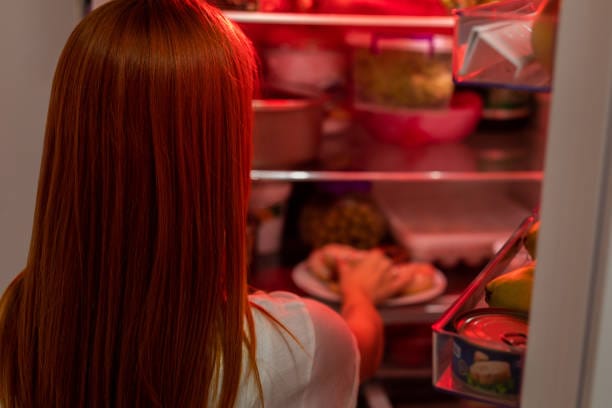
Night Eating Syndrome is characterised by recurrent episodes of eating at night, after the evening meal. It often lead to overweight, low self-esteem and a distressing feeling of having no control over the compulsive episodes.
Avoidant/Restrictive Food Intake Disorder (ARFID)
ARFID manifests as persistent eating difficulties, sometimes including constant hunger even at night, without obsession with weight control or body image distortion. It is often linked to stress and anxiety issues.
What situations are warning signs and should raise concern ?
Beyond common causes, certain populations are at higher risk : individuals with a family history of eating disorders, professional or elite athletes, ballet dancers, gymnasts, models, people with anxiety and/or depression, and individuals with perfectionistic personalities.

Warning signs of eating disorders .
They often include:
- Unexplained weight changes (loss or gain)
- Clinical or biological signs suggesting vomiting or the use of diuretics or laxatives
- Swallowing difficulties
- Amenorrhea (disappearance of hormonal cycle / periods)
- General fatigue
- Increased sensitivity to cold
- Systematically refusing restaurant invitations or family meals
- Needing to shorten meals or go to the bathroom immediately after eating
- Weighing oneself several times a day
- Exercising more and more
Prejudices surrounding eating disorders
Eating disorders are unfortunately surrounded by prejudices. They are NOT “a matter of willpower.” On the contrary, they are characterised by excessive willpower, a desire for mastery and control.
They are NOT “the family’s fault” either. While loved ones may share in the suffering, they are not the cause. The origins may be physiological (biological vulnerability), psychological (trauma), or social.
What is the impact of social media on the increase of eating disorders ?
Social media influences the development of these disorders on several levels:
- The distortion of reality through filters that display often unrealistic bodies, increasing anxiety about one’s own body shape.
- Algorithms that amplify themes related to thinness, food control, and fitness.
- Online communities of people with eating disorders who communicate about their struggles and coping strategies. While not necessarily malicious, these exchanges can lead to constant rumination and may reinforce the illness.
How can you support a loved one suffering from a suspected eating disorder ?
Supporting someone with an eating disorder does NOT mean becoming their caregiver or healthcare provider at home.

Once an eating disorder is suspected or diagnosed, it is essential that the patient receives coordinated care involving a general practitioner, psychiatrist and/or psychologist, and a dietitian.
At home, it is best not to intervene during meals, as these are the most difficult moments for people with eating disorders. Concerns should be shared outside mealtimes and without judgment or criticism, as the person is in significant distress.
It is preferable to express your concerns in order to provide psychological support and guide the sufferer toward professional help: a doctor, psychologist, psychiatrist, and a dietitian.
It is possible to be healthy without compromising somebody's looks !
It is also better to plan meals collaboratively rather than leaving the person to manage them alone or imposing choices on them.
The quality of family, friendship, and romantic support plays a key role in recovery.