Today, cancer affects one in two people at some point in their lives. Yet among the many factors that influence its onset, its course and its outcome, one remains consistently underestimated: what we eat. Nutrition is not a cure. But mounting evidence shows it is a powerful tool — in prevention, during treatment, and in the journey back to health.
Prevention: Reducing the Risks
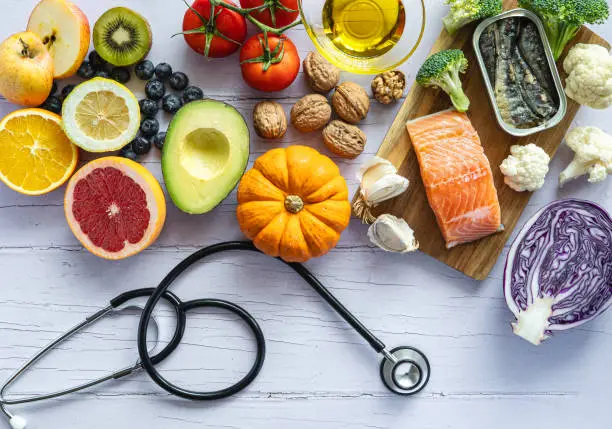
What is the link between cancer and nutrition ?
Research from the World Cancer Research Fund estimates that up to 30–40% of cancers could be prevented through dietary changes alone. The relationship between food and cancer is partly mediated by inflammation, oxidative stress and metabolic health. Diets rich in ultra-processed foods, refined sugars and industrial fats create chronic low-grade inflammation — one of the key drivers of tumour formation.
What are the worst eating habits linked with cancer ?
A large-scale study involving over 470,000 participants found that those eating the most ultra-processed foods had a 12% higher risk of developing cancer overall. For certain cancers, such as ovarian and brain tumours, the risk was even higher. The mechanism is multiple: additives, emulsifiers, and contaminants from packaging disrupt the gut microbiome, impair immune surveillance, and promote systemic inflammation.
What is the best diet against cancer ?
By contrast, diets built around vegetables, legumes, whole grains, olive oil and oily fish are associated with significantly lower cancer incidence. The Mediterranean diet, for instance, is linked to a 10–15% reduction in cancer risk across several cohort studies.
Stable Blood Sugar: The Energy Foundation
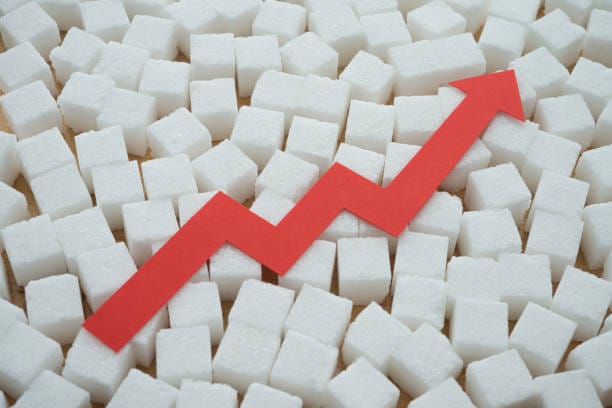
One of the most impactful — and often overlooked — nutritional principles is maintaining stable blood glucose levels. Cancer cells are notoriously avid consumers of glucose (the Warburg effect), and chronically elevated blood sugar creates a hormonal environment rich in insulin and IGF-1, both of which promote cell proliferation.
How important are blood-sugar levels ?
For patients in treatment, glycemic stability is equally important for practical reasons: it prevents the energy crashes, brain fog, and mood swings that can make an already difficult experience feel unmanageable. Eating every 4–5 hours, combining proteins and healthy fats, and choosing low-glycemic foods (lentils, sweet potato, oats, rye bread) over high-glycemic ones (white bread, pastries, white rice) helps keep blood sugar even throughout the day.
Is sugar really detrimental ?
Refined sugars deserve particular attention.
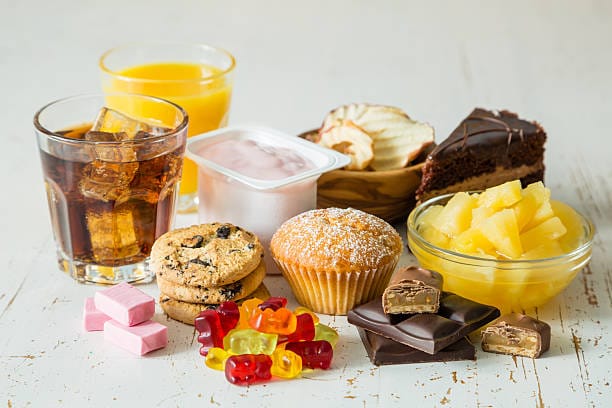
They provide no nutritional value, cause rapid glucose spikes and insulin surges, and contribute directly to weight gain — itself a risk factor for at least 13 types of cancer. The WHO (World Health Organisation) recommends keeping free sugars below 10% of daily energy intake; for optimal health, below 5%. In practice, this means drastically reducing soft drinks, commercial biscuits, ready-made sauces, fruit yoghurts and breakfast cereals, which can contain astonishing hidden sugar levels.
Fibre: Feeding the Right Ecosystem
Dietary fibre is one of the most robustly evidenced protective factors in cancer nutrition. It feeds the beneficial bacteria in the gut microbiome, promotes short-chain fatty acid production (which has anti-inflammatory effects), and accelerates intestinal transit, reducing the time that potential carcinogens remain in contact with the bowel wall.
How can fibres help ?
Studies consistently show that high fibre intake is associated with a 15–25% reduction in colorectal cancer risk. But fibres' benefits extend further: a healthy microbiome improves the efficacy of certain immunotherapies and chemotherapy drugs. Patients with a richer gut bacterial diversity have been shown to respond better to immune checkpoint inhibitors.
Good fibre sources include vegetables (especially cruciferous ones: broccoli, cabbage, cauliflower), legumes (lentils, chickpeas, black beans), whole grains (oats, quinoa, barley), and fruit with (washed) skin. Aim for at least 30g of fibre per day — a target most people in Western countries fall far short of.
Protein: Building Blocks Against Wasting
Cancer and its treatments — particularly chemotherapy, radiotherapy and surgery — place enormous demands on the body's protein reserves. Muscle wasting (cachexia) affects 50–80% of cancer patients at some stage and is directly associated with poorer treatment tolerance, higher complication rates, and reduced survival.
Why are proteins so important ?
Adequate protein intake helps maintain lean muscle mass, supports immune function, aids wound healing, and reduces fatigue. Protein requirements for cancer patients are higher than for the general population. (typically 1.2–1.5g per kilogram of body weight per day, compared to the standard 0.8g/kg)
Excellent sources include eggs, fish (especially oily fish such as salmon, mackerel and sardines, which also provide anti-inflammatory omega-3 fatty acids), lean poultry, legumes, tofu, Greek yoghurt and cottage cheese. Plant proteins are valuable, but patients should aim for variety to ensure all essential amino acids are covered.
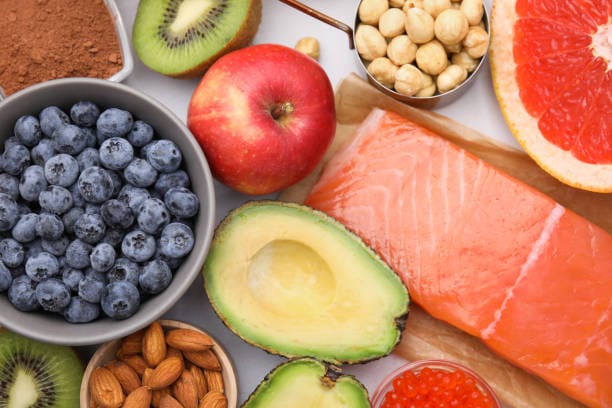
Foods to Favour — and Foods to Limit
Which foods are our best allies ?
Best foods to include regularly: oily fish, cruciferous vegetables, leafy greens, berries, olive oil, turmeric, black pepper, green tea, garlic, onions, whole legumes, nuts and seeds, fermented foods (live yoghurt, kefir, kimchi, sauerkraut), and seasonal fruits.
Which foods should we avoid ?
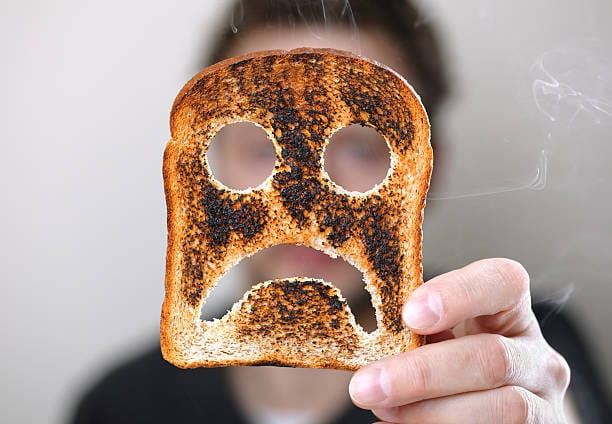
Foods to significantly limit: ultra-processed products of any kind, cured and processed meats (the WHO classifies processed meats as Group 1 carcinogens), refined white flours, sugary drinks, fried foods, and industrially refined vegetable oils (sunflower, corn, rapeseed in large quantities). Red meat should be kept below 500g per week.
Is alcohol totally prohibited ?
Alcohol is a Group 1 carcinogen and is linked to at least seven types of cancer. During active treatment, it is best avoided altogether, as it interacts with many drugs and damages an already stressed liver. However, its role in social life and wellbeing should not be dismissed entirely.
Maintaining Pleasure: The Social Dimension of Eating
Good nutrition during cancer care must never become an additional source of stress or social isolation. Food is deeply tied to identity, culture, love and celebration — and the psychological benefit of a shared meal, a birthday cake, or a glass of champagne at a special occasion has real value.
Is a rigid diet a good solution ?
Rigid dietary perfectionism can lead to anxiety, orthorexic tendencies, and the painful feeling of being excluded from normal life. Nutritionists working with cancer patients increasingly emphasise a 80/20 approach: eating well 80% of the time while leaving 20% room for flexibility, pleasure and spontaneity. A piece of dark chocolate, a glass of wine at a wedding, a restaurant meal without interrogating the menu — these are not failures. They are part of being human, and their positive effect on morale is far from nothing.
The key is intention, not perfection. Patients who maintain joyful relationships with food tend to eat more consistently overall, suffer less nausea and fatigue-related loss of appetite, and maintain better nutritional status through treatment.
Meal Rhythm: Eating with Purpose
How often and when we eat matters as much as what we eat.
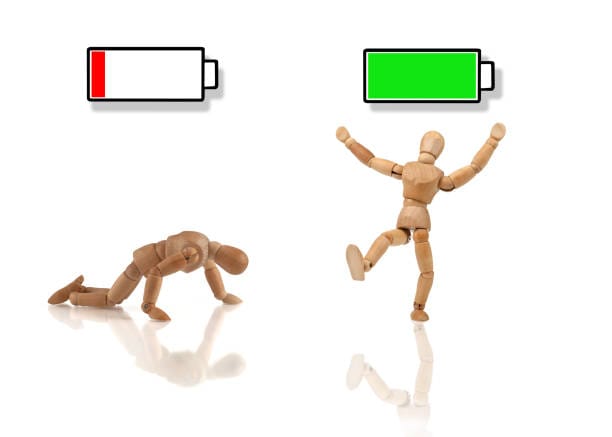
Three structured meals per day, supplemented by one or two small protein- and fibre-rich snacks, helps stabilise blood sugar, prevent muscle catabolism during treatment, and maintain weight. Some evidence also supports a degree of time-restricted eating (confining meals to a 10–12 hour window), which may improve metabolic health and reduce inflammatory markers — though this should always be discussed with a clinical dietitian in a cancer context, particularly if weight loss is already a concern.
Above all, patients should not eat alone if they can help it. The social ritual of the meal — setting the table, cooking with someone, eating together — is medicine in its own quiet way.
Francine Joyce - nutritionist in London
www.francinejoyce.com
Nutrition does not stand alone — but it never stands apart.