
Understanding Bloating: What's Normal and What's Not
We've all experienced that uncomfortable feeling of fullness after a large holiday meal or indulging in our favorite treats. That tight, stretched sensation in your abdomen is what we commonly refer to as bloating. While occasional bloating is a normal part of digestion, persistent or severe bloating can signal something more serious that requires professional attention.

Bloating is characterised by a sensation of fullness, tightness, or pressure in the abdomen, often accompanied by visible abdominal distension. For many people, bloating is an occasional nuisance. For others, it becomes a daily struggle that significantly impacts quality of life. Understanding when bloating crosses the line from normal to concerning is crucial for maintaining your digestive health.
Common Causes of Bloating
Bloating can stem from various sources, ranging from simple lifestyle factors to complex medical conditions. Understanding these causes is the first step toward finding relief.
Lifestyle and Dietary Factors
Many cases of bloating result from everyday habits that are easily modifiable. Eating too quickly prevents proper chewing and causes you to swallow excess air, which can lead to gas buildup. Similarly, carbonated beverages introduce air directly into your digestive system. Certain high-fiber foods, while nutritious, can produce gas during digestion.
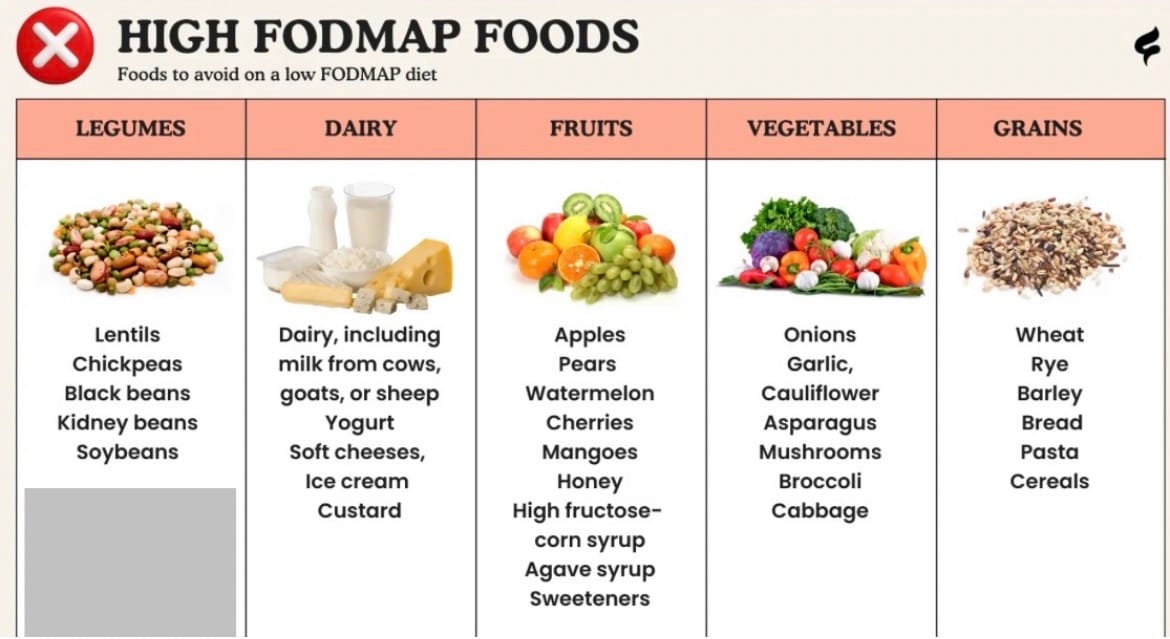
Food sensitivities play a significant role in bloating for many individuals. Common culprits include lactose in dairy products, gluten, and FODMAPs (fermentable oligosaccharides, disaccharides, monosaccharides, and polyols) found in various fruits, vegetables, and grains. Sodium intake also affects bloating, as higher salt consumption causes the body to retain more water, contributing to that puffy feeling.
Stress and Hormonal Factors
The gut-brain connection is powerful and well-documented. When experiencing stress, the body diverts resources away from the digestive system to other areas, reducing digestive efficiency and stomach acid production. This "fight or flight" response interferes with the "rest and digest" mode your body needs for optimal digestion.
Hormonal fluctuations, particularly in menstruating women, can also trigger bloating. Many women report increased bloating during certain phases of their menstrual cycle due to changes in progesterone and oestrogen levels.
Medical Conditions
Several gastrointestinal conditions are associated with chronic bloating. Irritable Bowel Syndrome (IBS) and Inflammatory Bowel Disease (IBD) commonly cause bloating along with other digestive symptoms. Other conditions include celiac disease, small intestinal bacterial overgrowth (SIBO) ...
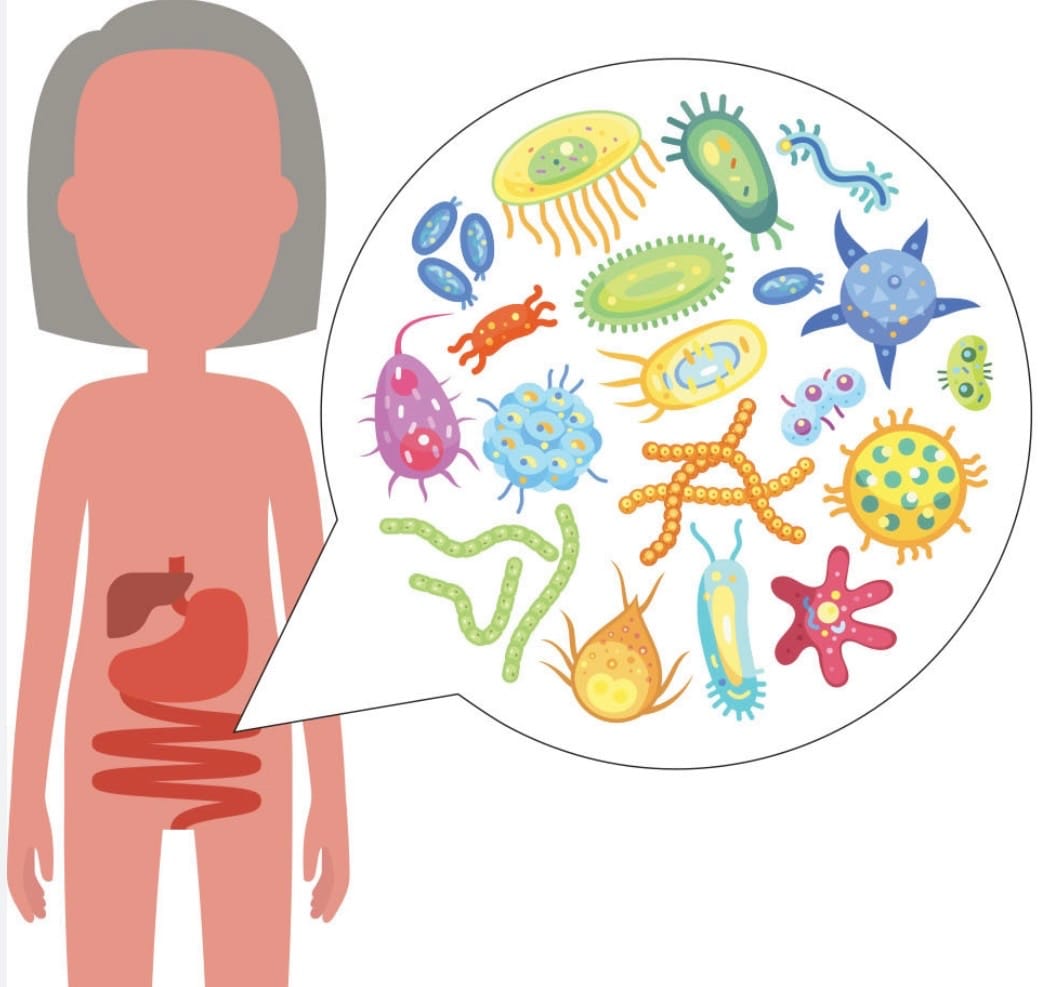
Recent research has shed light on the role of gut microbiota imbalances in bloating.
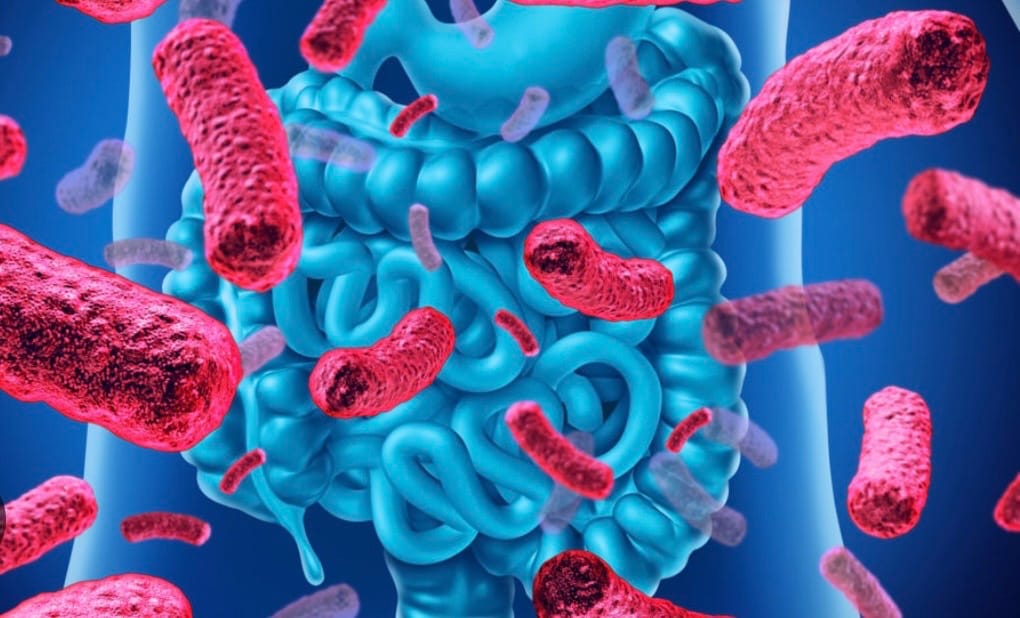
Studies suggest that restoring a balanced microbiome through targeted approaches like probiotics, prebiotics, and antibiotics such as rifaximin may help alleviate symptoms.
When Bloating Becomes a Concern
While occasional bloating after meals is normal, certain warning signs indicate you should seek medical attention. In case of persistent or severe bloating, especially when accompanied by abdominal pain, diarrhea, blood in stool, unexplained weight loss, or significant changes in bowel habits, it is essential to contact your GP.
If bloating is happening daily and disrupting your quality of life, it's time to consult a nutritionist or a healthcare provider . Other red flags include difficulty swallowing, frequent nausea or vomiting, and bloating that worsens progressively over time.
For individuals with a history of gastrointestinal problems or a family history of digestive conditions, any persistent bloating should be evaluated by a professional to rule out underlying issues. Early intervention can prevent complications and improve long-term outcomes.
The Role of a Nutritionist in Managing Bloating
Many people wonder whether they should see a nutritionist for bloating, and the answer often depends on the underlying cause. Nutritionists and dietitians are integral healthcare professionals who can help identify trigger foods, develop personalised eating plans, and connect you with other specialists if needed.
What a Nutritionist Can Do
Nutritionists have specialised expertise in food-related gastrointestinal issues and understand the complex relationship between food and digestive health. They can help you navigate the often confusing and conflicting nutrition advice available online and tailor recommendations to your specific symptoms and health status.
A nutritionist can conduct a thorough assessment of your eating habits, lifestyle factors, and symptom patterns. They may recommend elimination diets to identify food sensitivities, guide you through complex dietary protocols like the low-FODMAP diet, or suggest specific supplements that target your symptoms.
Working with a gut health specialist is particularly important when following restrictive diets like FODMAP, as these can be complicated and may lead to nutritional deficiencies if not properly supervised.
Nutritional Strategies for Bloating Relief
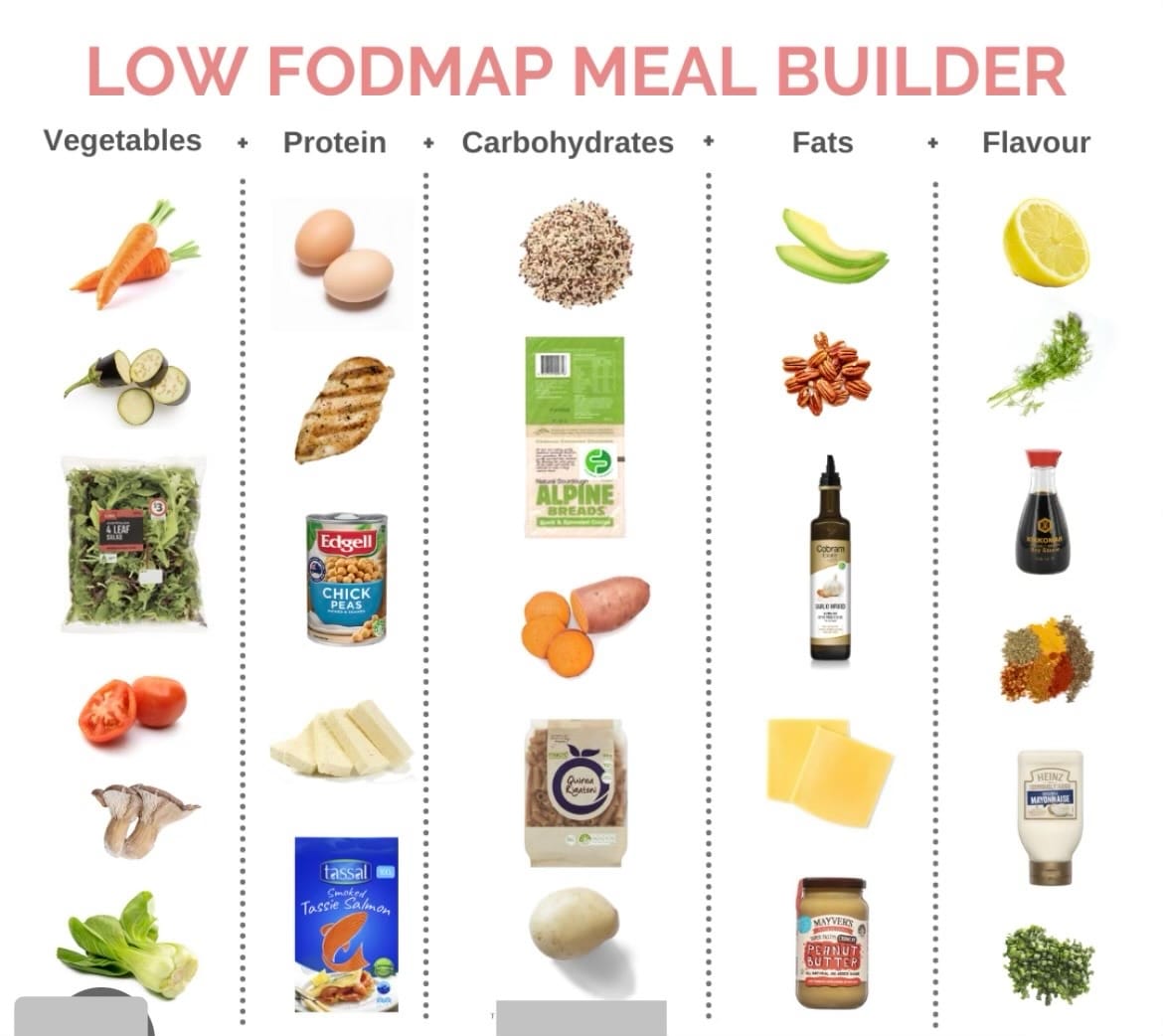
Dieticians can implement various evidence-based strategies to reduce bloating. These may include dietary modifications, stress management techniques, and lifestyle adjustments. For some individuals, a low-FODMAP diet can significantly reduce bloating symptoms by limiting fermentable carbohydrates that produce gas during digestion.
Exercise is an effective natural way to promote gut movement and improve gas clearance from the bowel. Nutritionists can also provide guidance on eating slowly, staying hydrated, and maintaining good posture during meals—simple habits that can make a significant difference.
For individuals with specific conditions like constipation, fibre supplements such as psyllium husk or magnesium citrate may be recommended. However, the best approach depends on identifying the root cause of your bloating with professional guidance.
Recent Research on Bloating and Gut Health
The scientific understanding of bloating has advanced significantly in recent years, particularly regarding the role of the gut microbiome. Research in 2026 has made significant progress in understanding how the small intestine microbiome influences the development of IBS and related bloating symptoms.
Studies presented at Digestive Disease Week 2025 revealed important findings about small intestinal bacterial overgrowth (SIBO). Researchers found that low-dose rifaximin combined with the antioxidant N-acetylcysteine (NAC) was more effective at improving bloating, diarrhea, and pain in patients with diarrhea-predominant IBS. The addition of NAC appears to help the antibiotic work more effectively by breaking down the mucus barrier.
A 2025 case-control study found that IBS patients had lower microbiome diversity, with decreased Firmicutes and increased Bacteroidota compared to healthy individuals. These findings highlight the complexity of the gut microbiome and the importance of personalised nutrition plans and treatment approaches.
Research also emphasises the importance of considering bio-individuality—the concept that the same foods affect individuals differently based on various factors, including their gut health status. This underscores why working with a qualified nutritionist is so important for developing an effective treatment plan.
Getting Started: Your Action Plan
If you're experiencing persistent bloating, taking action can help you find relief and improve your quality of life.

Start by keeping a detailed food and symptom diary for at least two weeks. Note what you eat, when you eat, your stress levels, and any symptoms you experience. This information will be invaluable when consulting with healthcare providers.
Consider making simple lifestyle modifications while you await professional consultation. These include eating more slowly, reducing carbonated beverage consumption, managing stress through mindfulness or relaxation techniques, and incorporating regular physical activity into your routine.
When seeking professional help, consider starting with your primary care physician, who can rule out serious conditions and refer you to appropriate specialists. A gastroenterologist can diagnose and treat medical conditions causing bloating, while a nutritionist specialising in gut health can develop a personalised nutrition plan.
A nutritionist can identify dietary causes of bloating and recommend appropriate changes, working collaboratively with your medical team to ensure comprehensive care.
Frequently Asked Questions
Is it normal to feel bloated every day?
No, daily bloating is not normal and should be evaluated by a healthcare provider. While occasional bloating after large meals is common, persistent daily bloating often indicates an underlying issue such as food sensitivities, IBS, or other digestive conditions that require professional assessment.
How do I know if my bloating is serious?
Seek medical attention if your bloating is accompanied by severe abdominal pain, blood in your stool, unexplained weight loss, persistent vomiting, or significant changes in bowel habits. Additionally, if bloating is affecting your daily activities or quality of life, it warrants professional evaluation even without other alarming symptoms.
Can a nutritionist help with bloating?
Yes, a nutritionist, can be extremely helpful for bloating. They can identify trigger foods, develop personalised meal plans, guide you through elimination diets, and recommend appropriate supplements based on your specific symptoms and health status.
What is the low-FODMAP diet, and should I try it?
The low-FODMAP diet restricts fermentable carbohydrates that can cause bloating and gas. While it can be effective for many people with IBS, it's a complex and restrictive protocol that should only be undertaken with guidance from a qualified dietitian to prevent nutritional deficiencies and ensure proper implementation.
How long does it take to see improvement in bloating symptoms?
The timeline varies depending on the underlying cause. Some people notice improvement within days of eliminating trigger foods, while others may require several weeks to months of dietary modifications and treatment. Working with a healthcare team helps ensure you're on the right track and making appropriate progress.
Are probiotics helpful for bloating?
Probiotics can be helpful for some individuals with bloating, particularly when gut microbiome imbalances are present.
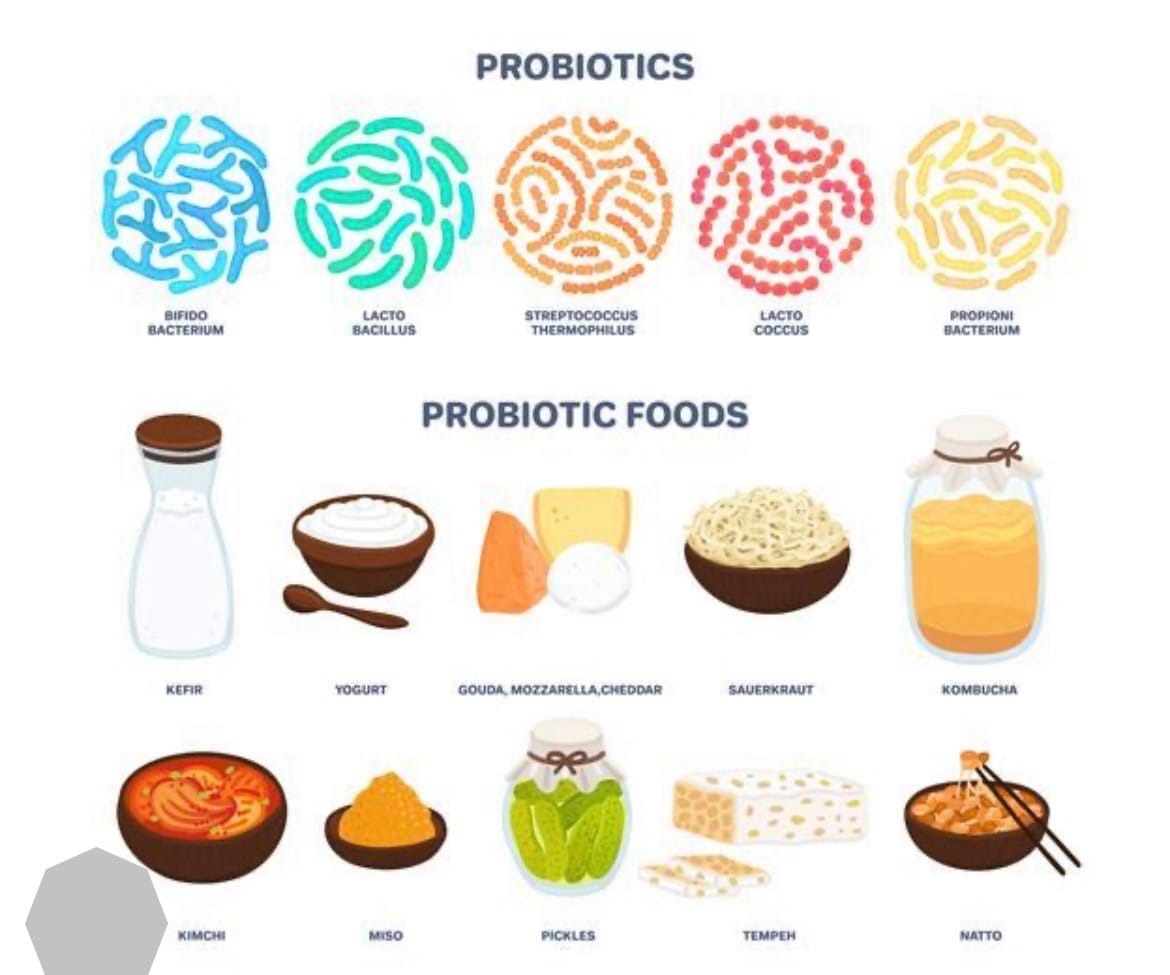
However, they're not universally effective, and in some cases (such as SIBO), they may worsen symptoms. It's best to consult with a healthcare provider before starting any probiotic supplement to ensure it's appropriate for your situation.
What foods commonly cause bloating?
Common bloating triggers include high-FODMAP foods (such as certain fruits, vegetables, legumes, and grains), dairy products for those with lactose intolerance, carbonated beverages, high-sodium foods, and foods containing artificial sweeteners. However, trigger foods vary significantly between individuals, making personalised assessment important.
Can stress really cause bloating?
Yes, stress significantly impacts digestion through the gut-brain connection. When stressed, your body enters "fight or flight" mode, diverting resources away from digestion and reducing stomach acid production. This can lead to incomplete digestion and increased bloating. Stress management techniques can help reduce stress-related bloating symptoms.
Conclusion
Bloating is a common experience that most people encounter occasionally. However, when it becomes persistent, severe, or impacts your daily life, it's important to seek professional help. Understanding the difference between normal, temporary bloating and symptoms that require medical attention can help you take appropriate action.
Working with qualified healthcare professionals, including gastroenterologists and nutritionists, provides the best pathway to identifying the root cause of your bloating and developing an effective treatment plan. Recent research continues to enhance our understanding of the gut microbiome's role in digestive health, offering hope for more targeted and effective interventions in the future.
Remember that everyone's digestive system is unique, and what works for one person may not work for another. With patience, professional guidance, and a commitment to understanding your body's signals, you can find relief from bloating and improve your overall digestive health.
References
- Crucillà, S., Caldart, F., Michelon, M., Marasco, G., & Costantino, A. (2024). Functional Abdominal Bloating and Gut Microbiota: An Update. Microorganisms, 12(8), 1669. https://doi.org/10.3390/microorganisms12081669
- Gut Microbiota for Health. (2025). Microbiome highlights from Digestive Disease Week 2025. Retrieved from https://www.gutmicrobiotaforhealth.com/microbiome-highlights-from-digestive-disease-week-2025/
- Gut Microbiota for Health. (2025). Key advances in the gut microbiome during 2024. Retrieved from https://www.gutmicrobiotaforhealth.com/key-advances-in-the-gut-microbiome-during-2024/
- Gut Microbiota for Health. (2026). Key advances in gut microbiome research during 2025. Retrieved from https://www.gutmicrobiotaforhealth.com/key-advances-in-gut-microbiome-research-during-2025/
- Ignite Nutrition. (2025). Everything You Need to Know about Bloating & Nutrition. Retrieved from https://ignitenutrition.ca/blog/nutrition-and-bloating/
- North Shore Gastroenterology. (2025). Beyond Bloating and Constipation: When to Seek Expert Help for Digestive Issues. Retrieved from https://www.northshoregastro.org/2025/10/03/beyond-bloating-and-constipation-when-to-seek-expert-help-for-digestive-issues/
- Oshi Health. (2026). What is a GI registered dietitian? Everything you need to know about working with one. Retrieved from https://oshihealth.com/what-is-a-gi-registered-dietitian-everything-you-need-to-know-about-working-with-one/
- Healthstand Nutrition. (2025). How to Reduce Bloating by a Digestive Health Dietitian. Retrieved from https://www.healthstandnutrition.com/how-to-reduce-bloating/