Every autumn, the same ritual: a thicker clump of hair in the shower drain, a fuller hairbrush, a quiet moment of panic. Most of the time, there is nothing to worry about. But hair loss is also one of the most common reasons people consult a dermatologist, and telling the ordinary from the pathological is not always easy.
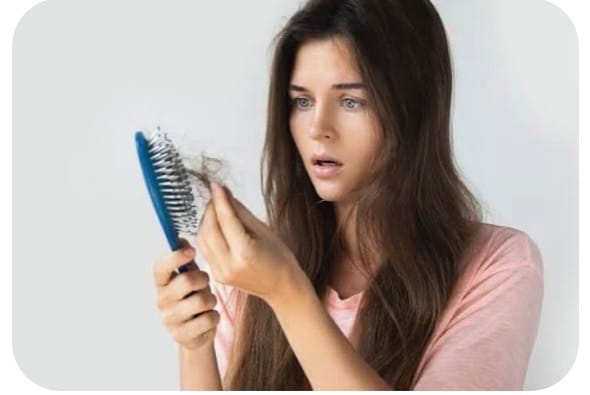
How many hairs do you lose a day?
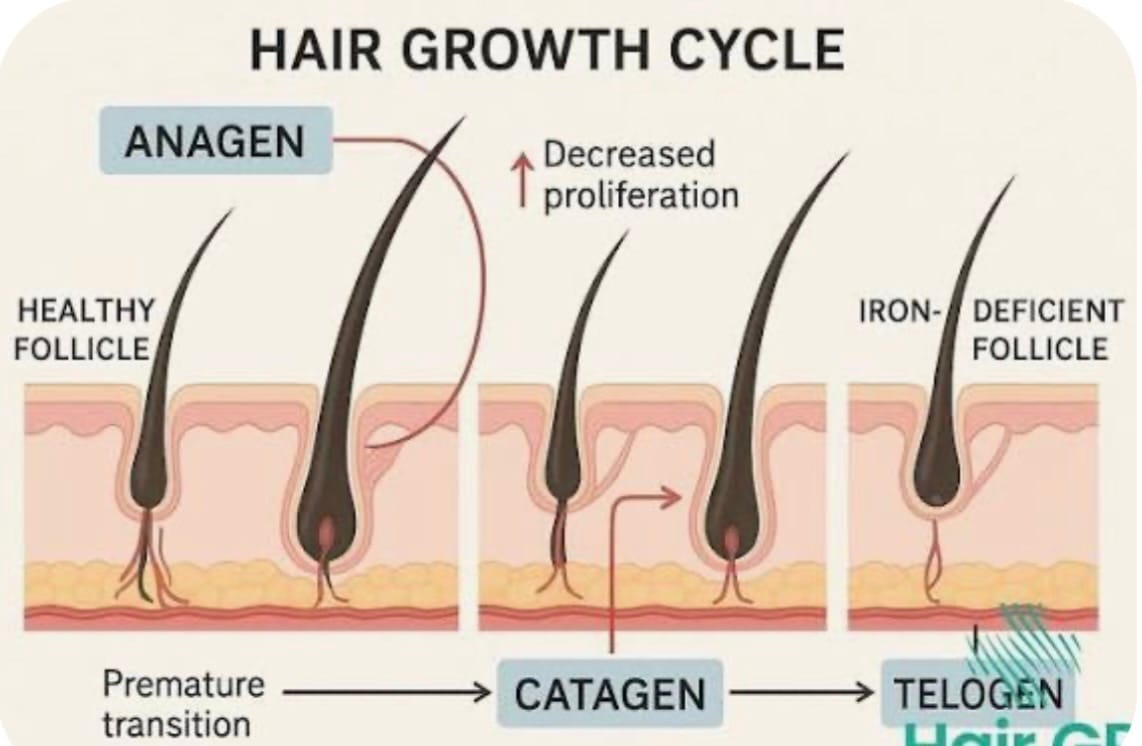
The human scalp holds roughly 100,000 hairs (about 140,000 for blondes, 90,000 for redheads). Each follicle cycles independently through three phases:
- Anagen (growth): two to seven years, covering 85 to 90% of hairs.
- Catagen (transition): two to three weeks.
- Telogen (rest): about three months, covering 10 to 15% of hairs, after which the hair falls out.
With 10 to 15% of 100,000 hairs resting for about 100 days, 50 to 150 hairs fall daily. The popular figure of "100 a day" is a fair rule of thumb. Hair grows about 1 cm a month, so lost hairs are constantly replaced.
Counts vary with washing habits. If you wash your hair every three days, 200 or more hairs may come out in one wash, simply because shed hairs accumulate in between.
Why do we lose more hair in autumn?
Seasonal shedding is real, though modest. Studies tracking hair over a full year have found that the share of follicles in the growth phase dips in late summer, with extra shedding peaking a few weeks later, from September to November. The shift is only a few percentage points, but it is visible on the brush.
Many mammals moult in spring and autumn, and humans may retain a faint trace of this rhythm, possibly linked to daylight and hormones. Autumn shedding typically lasts six to eight weeks and resolves on its own. If it continues beyond three months, or exceeds 150 hairs a day, it is no longer a seasonal blip.
Is hair loss more common in women or men?
In absolute numbers, men are more affected, but women often suffer more from it.
The numbers. About 50% of men show some pattern hair loss (androgenetic alopecia) by age 50, and up to 80% of men over a lifetime. Roughly 40% of women have visible thinning by 50 to 60, rising to about half in their seventies and eighties.
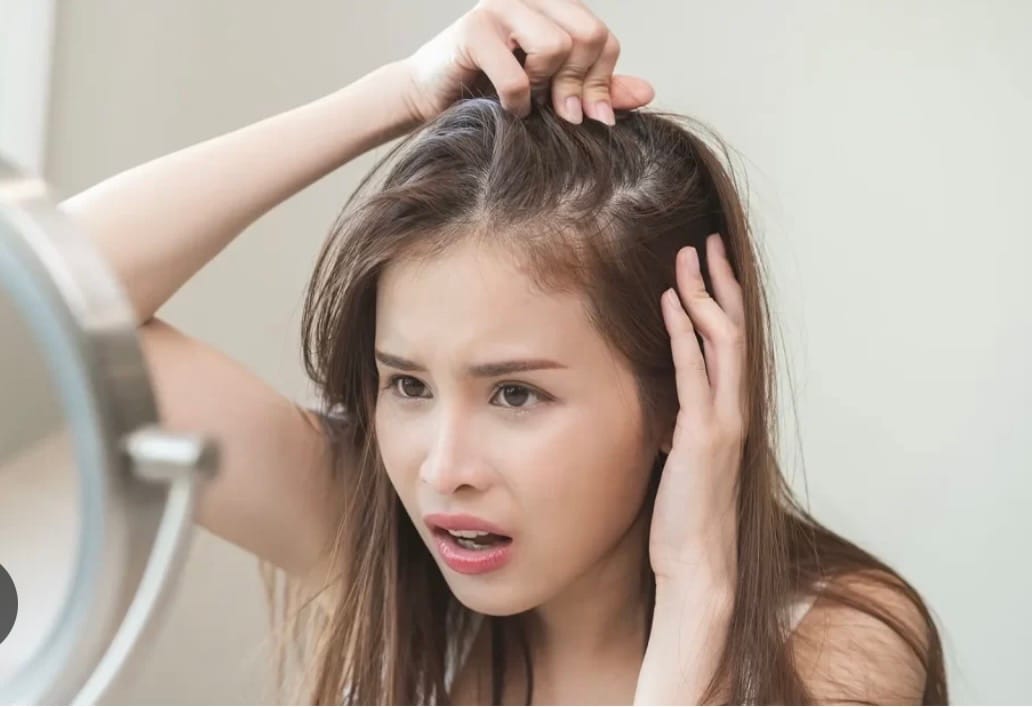
Why women are hit harder:
- Diffuse patterns. Men recede at the temples and crown; women usually keep their hairline but thin along the parting, which is harder to hide and to diagnose.
- More hormonal triggers. Up to 40 to 50% of women notice shedding three to four months after childbirth. Menopause, polycystic ovary syndrome (8 to 13% of women of reproductive age) and thyroid disorders (five to eight times more common in women) all disrupt the hair cycle.
- Iron deficiency. The WHO estimates nearly 30% of non-pregnant women aged 15 to 49 are anaemic, and many more have low iron stores. Heavy periods are the main cause.
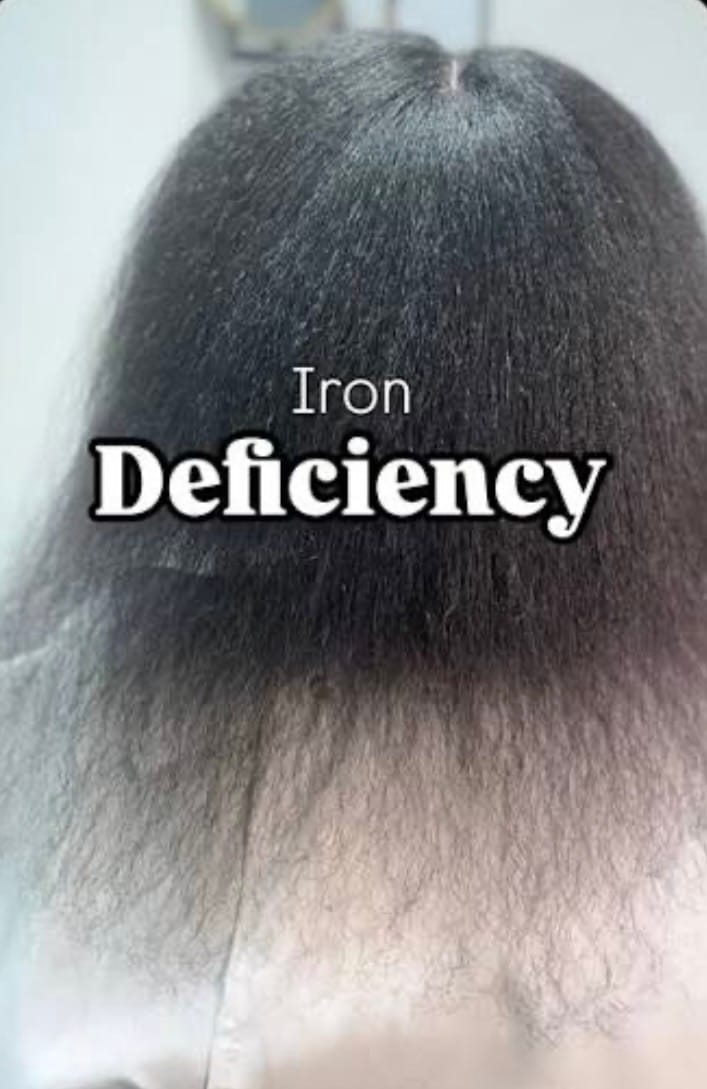
There is also a social factor: hair loss is less culturally accepted in women, so the psychological toll is heavier.
What causes hair loss?
- Androgenetic alopecia: the leading cause. Genetically sensitive follicles react to dihydrotestosterone (DHT) and miniaturise. Heritability exceeds 80%.
- Telogen effluvium: sudden diffuse shedding two to three months after a trigger such as fever, surgery, severe stress, crash dieting, childbirth or infection (including COVID-19). Up to 30% of hairs can enter the resting phase, and 150 to 300 hairs may fall daily. Most cases resolve within six months once the trigger is removed.
- Nutritional deficiencies: in iron, zinc, vitamin D and protein.
- Medical conditions and drugs: thyroid disease, alopecia areata (lifetime risk about 2%), scalp infections, chemotherapy, anticoagulants, some antidepressants.
- Traction: tight ponytails and braids, which can become permanent if the pulling continues for years.
Hair loss treatments with the best evidence
Minoxidil. Applied at 2% or 5%, it prolongs the growth phase. Around 40 to 60% of users see improvement, but results take four to six months and fade if treatment stops. Low-dose oral minoxidil is increasingly prescribed under medical supervision.
Finasteride and anti-androgens. In men, finasteride 1 mg blocks DHT. In a landmark two-year trial, 83% of treated men kept or increased their hair count versus 28% on placebo. It is not suitable for women who may become pregnant; doctors may use spironolactone in women when appropriate.
Does PRP work for hair loss?
Platelet-rich plasma (PRP) draws a small amount of your own blood, spins it in a centrifuge to concentrate platelets (typically three to five times baseline), and injects the plasma into the scalp. Platelets release growth factors thought to stimulate follicles and extend the growth phase.
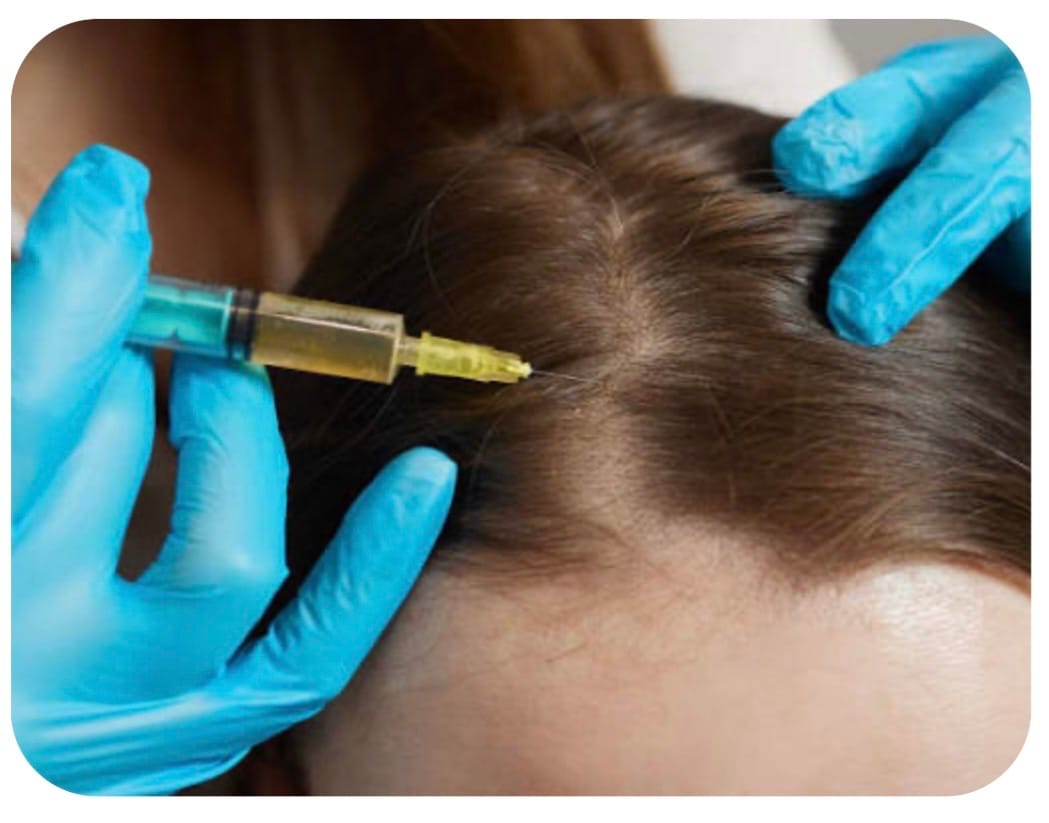
- Protocol: usually three sessions a month apart, then maintenance every three to six months.
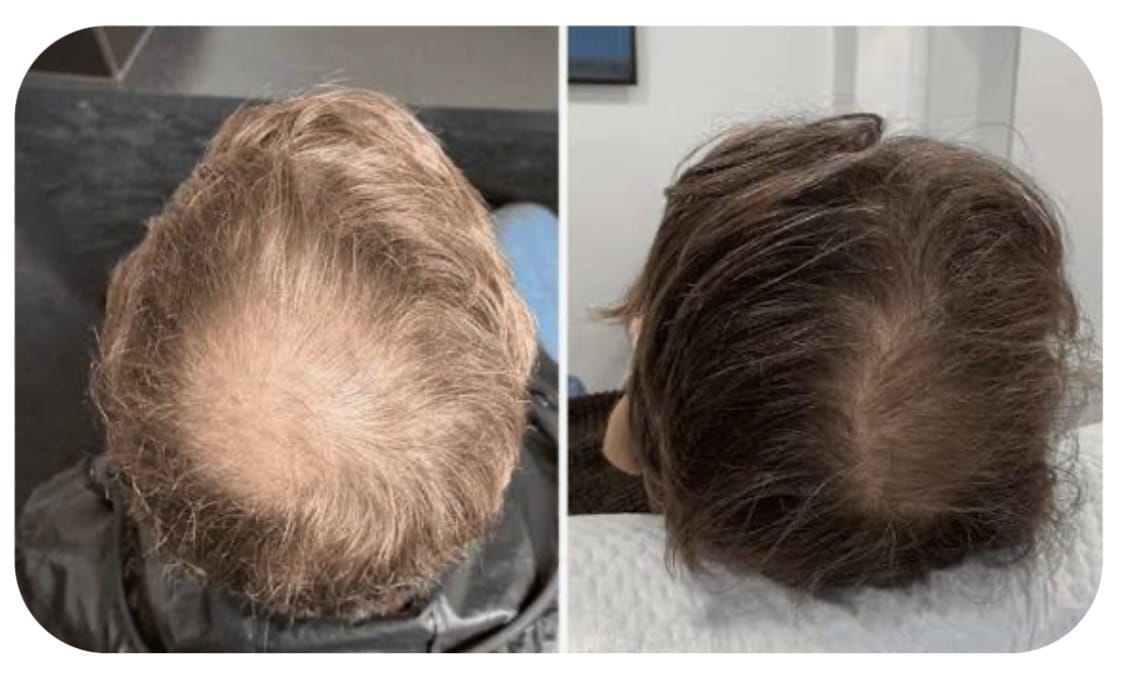
- Results: meta-analyses suggest an average gain of about 20 to 30 hairs per cm², mainly in early to moderate androgenetic alopecia. Results are weaker in advanced baldness.
- Cost: £150 to £500 per session in the UK, rarely reimbursed.
- Caveats: protocols are not standardised and many trials are small. PRP is best seen as a complement to proven treatments, not a replacement.
hair loss : the importance of nutrition

Iron and hair loss: why ferritin matters
Hair is about 90% keratin, and follicles are among the most metabolically active tissues in the body. When resources run short, hair is the first to pay.
Low ferritin (the iron storage protein) is linked to diffuse shedding, especially in women. Labs flag deficiency below about 15 to 30 ng/mL, but many dermatologists aim for 40 to 70 ng/mL for hair health - although the ideal threshold is debated. Good sources are red meat, liver, lentils, tofu and dark leafy greens, ideally with vitamin C, which can roughly double absorption of plant-based iron. Take supplements only after a blood test, as iron overload is harmful.
Protein and hair growth
The standard recommendation is 0.8 g of protein per kg of body weight per day, but vegans, older adults and people on restrictive diets often fall short. Crash diets below about 1,000 kcal a day are a classic trigger of telogen effluvium. Eggs, fish, dairy, legumes and poultry cover most needs.

What doesn't work: biotin has no proven benefit without a deficiency, and high doses can distort blood tests, including thyroid and cardiac markers.
When should you see a doctor?
Consult a GP or dermatologist if you:
- lose more than 150 hairs a day for over three months,
- notice bald patches, scalp pain, redness or scaling,
- see shedding after starting a new medication.
A blood test (ferritin, thyroid hormones, vitamin D, full blood count) and a scalp exam often identify the cause.
Conclusion
Some shedding in autumn is normal, most sudden hair loss is reversible once its cause is found, and early diagnosis is the best predictor of success. Start with a blood test, fix any iron or protein gaps, then discuss minoxidil or PRP with a specialist.
Key takeaways
- Losing 50 to 150 hairs a day is normal; seasonal shedding peaks from September to November.
- Hair loss affects men more often overall, but women are hit by more triggers, including pregnancy, menopause and low iron.
- PRP can add around 20 to 30 hairs per cm² in early thinning. Iron and protein status should be checked first.
FAQ: hair loss
How many hairs is it normal to lose per day?
Between 50 and 150, with temporary increases in autumn.
How long does autumn hair loss last?
Usually six to eight weeks. See a doctor if it lasts beyond three months.
Does PRP work for hair loss?
It can improve density by roughly 20 to 30 hairs per cm² in early to moderate thinning, but results vary and need maintenance.
Can low iron cause hair loss?
Yes, particularly in women. Ask for a ferritin test before taking supplements.
Is hair loss reversible?
Often yes, especially telogen effluvium and deficiency-related shedding. Pattern baldness is manageable but needs ongoing treatment.
This article is for information only and does not replace medical advice. Figures may vary between studies.