Britain is currently facing one of its most significant food safety incidents in recent years. As of 25 August 2026, the UK Health Security Agency (UKHSA) has confirmed 259 cases of salmonella linked to imported eggs, along with one death. Officials say the outbreak has been building steadily since the middle of last year.
The confirmed cases stretch across the whole of the UK - 199 cases have been recorded in England, with London and Yorkshire the hardest-hit regions, accounting for 47 and 38 cases respectively. Victims have ranged from infants under a year old to people in their nineties, with a median age of around 30.
The figures are troubling not just for their scale but for their severity. More than a third of those affected, 38%, have needed hospital treatment, and two people developed bloodstream infections. UKHSA epidemiologist Hannah Charles has noted that while salmonella typically causes diarrhoea, stomach cramps, vomiting and fever for a short period in most people, it can progress to more serious illness requiring hospital admission.
This outbreak sits against a backdrop of already elevated infection levels nationally. Data published earlier this year showed salmonella cases in England reaching their highest point in a decade, rising from 10,389 cases in 2024 to 10,406 in 2025.
Why Is This Happening?
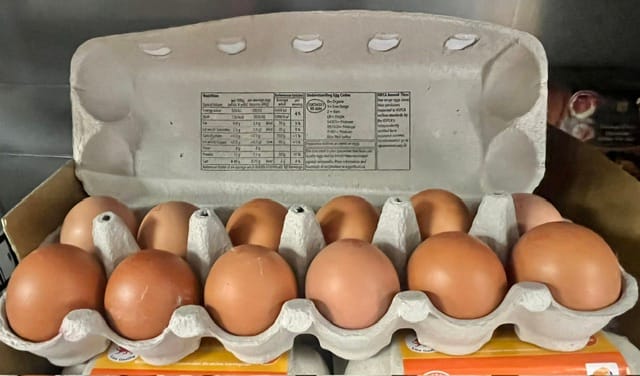
Investigators have been careful to stress that domestic egg production is not implicated. UKHSA has stated that there is currently no identified link to UK-produced eggs, with attention focused on eggs brought in from abroad.
The outbreak appears connected specifically to eggs consumed outside the home, in cafes, restaurants and catering settings, rather than eggs cooked in domestic kitchens.
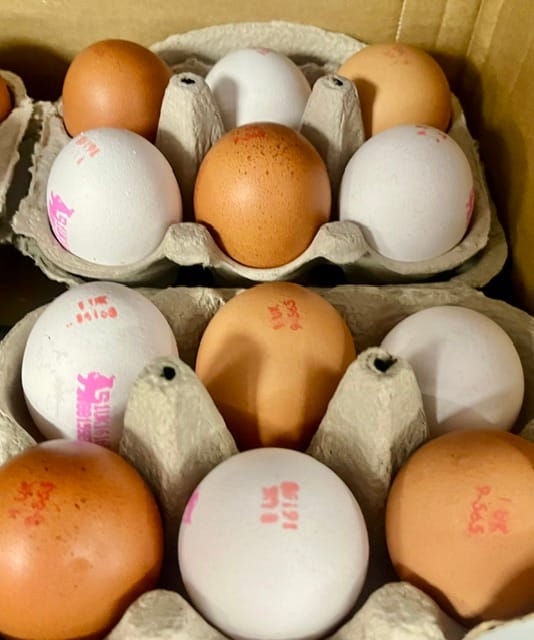
Industry figures have pointed to a structural explanation. Nick Allen of the British Egg Industry Council has highlighted that UK hens are subject to mandatory salmonella vaccination, whereas a growing volume of imported eggs is produced under less stringent regulatory regimes. Vaccination of laying flocks, introduced in Britain after a similar crisis in the 1980s and 90s, has been central to keeping domestic salmonella levels low; many exporting countries do not apply the same requirement as standard practice.
The Health Risks
For most healthy adults, salmonella infection is unpleasant but self-limiting: a few days of gastrointestinal upset that resolves without medical intervention. The real danger lies with vulnerable groups — babies, young children, pregnant women, the elderly, and anyone with a weakened immune system or underlying health condition. In these populations the infection can become invasive.
Recognising the Symptoms
Salmonella infection typically develops within 12 to 72 hours of eating contaminated food.
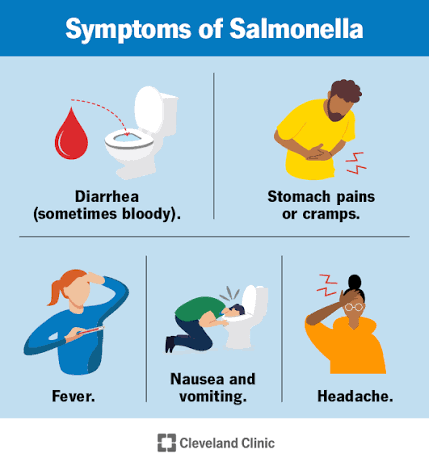
Common symptoms include:
- Diarrhoea, sometimes containing blood
- Stomach cramps and abdominal pain
- Fever
- Nausea and vomiting
- Headache and body aches
Symptoms usually last 4 to 7 days. Warning signs that require urgent medical attention include a high fever, blood in stool, signs of dehydration (dry mouth, reduced urination, dizziness), symptoms lasting more than a week, or any deterioration in a baby, elderly person, or someone with an existing illness.
What To Do If You're Affected
Anyone experiencing symptoms should stay well hydrated with water or oral rehydration solutions. Rest, and avoid anti-diarrhoeal medication unless advised by a doctor, since it can prolong the infection. Contact a GP or NHS 111 if symptoms are severe, persistent, or affect a vulnerable person. Good hand hygiene is essential to avoid passing the infection on to others, and anyone unwell should avoid preparing food for others until fully recovered.
How To Reduce Your Risk
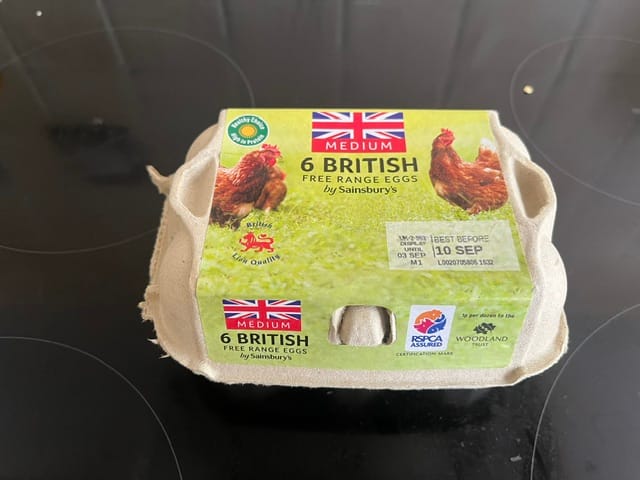
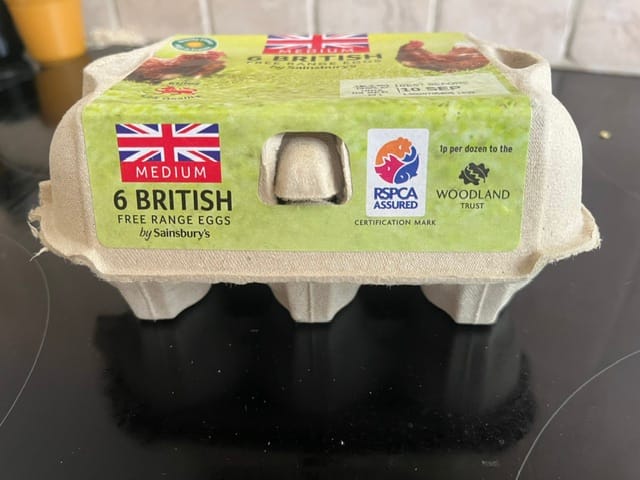
The FSA's advice draws a clear distinction between cooking at home and eating out. Vulnerable groups — young children, older people, pregnant women, and those with underlying health conditions — can safely eat raw or lightly cooked eggs at home provided the eggs carry the British Lion mark or come from the Laid in Britain scheme, both of which require vaccination and stricter controls.
When eating out, it is harder to know the origin of eggs used in a dish, so the advice is to favour thoroughly cooked eggs when dining in restaurants, cafes, or getting food delivered, and to check a venue's Food Hygiene Rating before choosing where to eat.
Why Eggs Still Matter
Despite the outbreak, nutritionists are keen to stress that eggs remain one of the most valuable foods in a balanced diet, and the answer to this crisis is safer sourcing, not avoidance.

For children, eggs provide high-quality, easily digestible protein alongside choline, which supports brain development, and vitamin D, important for growing bones. They are also a practical way to introduce iron and B12 into early diets.
For adults, eggs offer a dense package of nutrients relative to their calories: complete protein for muscle maintenance, healthy fats, and nutrients such as lutein and zeaxanthin that support eye health, all without significantly raising cardiovascular risk for most people when eaten as part of a varied diet.
For older adults, eggs are particularly valuable because they deliver protein and micronutrients in a soft, easy-to-eat form at a life stage when appetite often declines and the risk of muscle loss (sarcopenia) and malnutrition rises.
The message from public health officials is therefore one of caution rather than avoidance: choose UK-assured eggs, cook thoroughly when eating out, and keep eggs on the menu.
Francine Joyce - nutritionist
 admin
admin