
In 2026, salmon perfectly embodies the contradictions of our modern food system. A fish with exceptional nutritional qualities, it has become a victim of its own success. The industrial farming necessary to meet growing demand generates environmental and health problems that can no longer be ignored.
Salmon remains the favourite fish among French consumers and one of the most consumed in the United Kingdom.
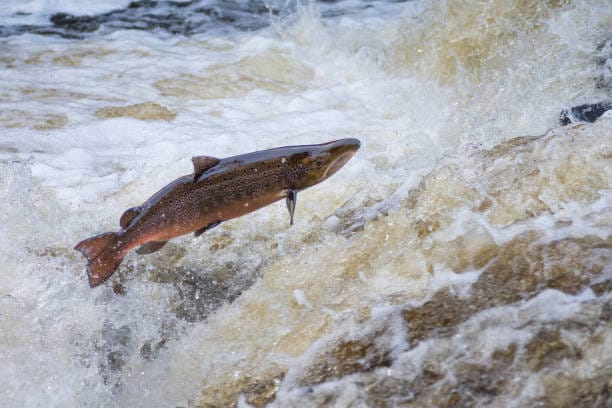
But behind this commercial success lies an increasingly complex reality: while the nutritional benefits of this fish remain undeniable, environmental and health concerns have reached unprecedented levels.
The Global Salmon Phenomenon
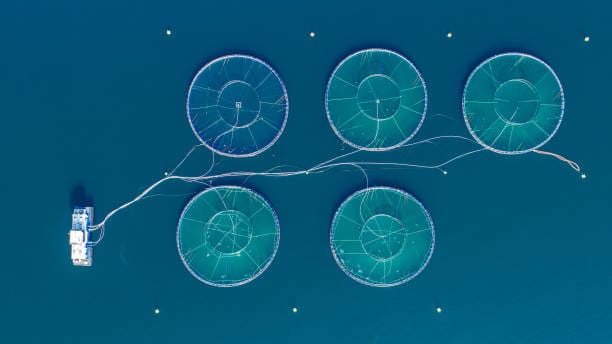
In the United Kingdom, salmon has overtaken tuna as the nation's most consumed fish, cementing its position as a dietary staple. France ranks fourth globally in salmon consumption, with more than 228,000 tonnes consumed in 2023, maintaining its position as Europe's leading salmon consumer. An astonishing 99% of salmon consumed in France is imported and comes from industrial farms, primarily from Norway and Scotland.
The French National Agency for Food and Health (Anses) recommends eating two portions of fish per week, including one portion high in omega-3 fatty acids such as salmon, sardines, or mackerel. This recommendation underscores the nutritional importance of oily fish in a balanced diet.
The Nutritional Excellence: An Undeniable Asset
Salmon is valued for its exceptional nutritional properties. A 100-gram portion provides more than 20 grams of high-quality protein. A simple slice of smoked salmon weighing 35 grams delivers 220 mg of EPA and 276 mg of DHA, covering 88% of the recommended omega-3 intake.
These essential fatty acids play a crucial role in brain function, cardiovascular health, prevention of certain neurodegenerative diseases, and foetal development in pregnant women. A 2024 study in Frontiers in Aging Neuroscience found that older adults with higher omega-3 intake from salmon had slower cognitive decline and better overall brain performance. Salmon also constitutes an excellent source of vitamins B12 and D, selenium, and phosphorus.
Research shows that people who eat one to two servings of fish like salmon per week reduce their heart disease risk by 36%.
The Alarming Decline in Omega-3 Content
However, one of the most worrying developments concerns the dramatic degradation of omega-3 levels. The amount of omega-3s in a portion of salmon halved between 2006 and 2015. This spectacular decline is explained by changes in the diet of farmed fish, which has become increasingly plant-based to reduce costs.
While the industry increasingly uses omega-3 as a key selling point, the actual nutritional value has been significantly compromised.
The Dark Shadow of Environmental Contaminants
The situation darkens considerably when we examine pollutants. Heavy metal contamination (mercury, cadmium, lead, and arsenic) now affects all salmon consumers. Salmon is among the fish most contaminated by organic pollutants, particularly dioxins and PCBs (polychlorinated biphenyls). These persistent substances attach to fats and accumulate in the food chain through bioaccumulation.
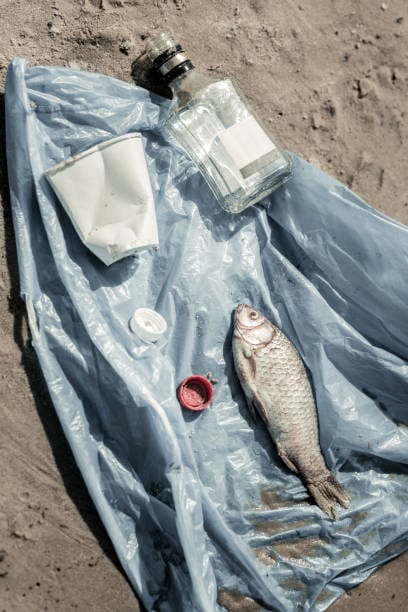
The disturbing novelty of 2026 concerns PFAS (per- and polyfluoroalkyl substances), nicknamed "forever chemicals." These particularly toxic products join the pesticides, heavy metals, and dioxins from industrial wastewater discharged into nature. A recent study found that each fish fillet contained an average of 56 microplastic particles. A five-kilogram farmed salmon is estimated to contain approximately 523 microplastics.
Cocaine in Salmon: The Ultimate Wake-Up Call
The ultimate horror: cocaine from human consumption is now found in salmon. When a person consumes cocaine, their body metabolizes it and the residues are excreted through urine to wastewater treatment plants. However, these facilities do not filter this type of molecule. Concentrations vary between 5 and 336 nanograms per litre for pure cocaine in wastewater.
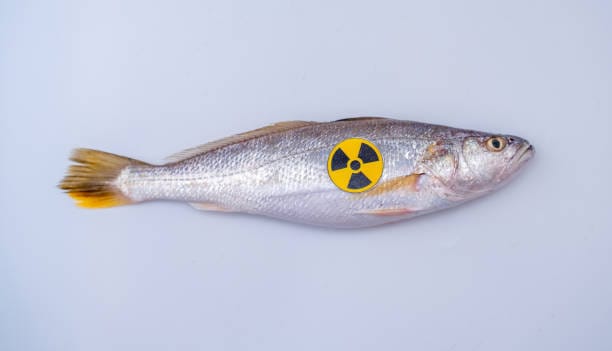
A recent study published in the journal Current Biology by researchers from Swedish and Australian universities demonstrated the concrete impact on Atlantic salmon: fish exposed to cocaine travel 1.9 times the weekly distance of other specimens. This induced hyperactivity could alter the ecological distribution of fish, potentially influencing habitat use and ecosystems.
The Myth of Wild and Organic Salmon
One can legitimately wonder in 2026 whether wild salmon isn't becoming "a myth." Over the past two decades, numbers of wild salmon in Scotland's rivers have declined by 70%, and since the 1970s, global populations of wild Atlantic salmon have declined from 8-10 million to just three million today.
Moreover, contrary to popular belief, studies show that organic salmon can be more contaminated by heavy metals and pesticides than its farmed cousins.
A Major Recommendation: Variety is Essential
Faced with these findings, nutritionists recommend not eating fish more than twice a week and varying the species. A major recommendation emerges in 2026: the absolute necessity of varying species and sources to limit exposure to contaminants while benefiting from the nutritional contributions of fish.
Salmon has become enormously democratised but must now be consumed with discernment. The solution does not lie in completely stopping its consumption, but in a reasoned approach and the awareness that "everyday salmon" at low prices has a hidden cost, both for our health and for the planet. Salmon remains beneficial when it is part of a varied and measured diet. It is overconsumption and lack of diversification that pose problems.
Trout: A Promising Alternative
Faced with these controversies, trout is experiencing 5% growth in value and volume, consumed by 53% of French people. UFC-Que Choisir and nutritionists recommend it as the best alternative to salmon: less coveted, cheaper, and of increasing quality, often with better traceability as it is produced locally.
Trout farming typically occurs in freshwater environments with lower contamination risks and shorter supply chains, making it easier to trace the fish from farm to table. The fish also requires less intensive farming conditions and has a smaller environmental footprint compared to industrial salmon operations.
Practical Advice for Informed Consumption
To enjoy the benefits of salmon while limiting risks, consider these evidence-based recommendations:
1. Respect frequency limits: No more than two portions of fish per week, including only one portion of oily fish such as salmon. This balance helps maximise nutritional benefits while minimising contaminant exposure.
2. Vary absolutely: Alternate between salmon, sardines, mackerel, herring, and lean fish. Diversification is the key to reducing cumulative exposure to any single source of contamination while ensuring a broader range of nutrients.
3. Prioritise quality labels: Look for Label Rouge, Friend of Sea, Marine Stewardship Council (MSC), or Aquaculture Stewardship Council (ASC) certifications. These labels indicate higher environmental and production standards.
4. Limit smoked salmon: Its salt content (3 grams per 100 grams) requires moderation, particularly for individuals monitoring sodium intake for cardiovascular health.
5. Choose gentle cooking methods: Steam, en papillote (in parchment), or poaching at 160°C preserves nutrients better than high-heat methods like frying. Frying or adding mayonnaise-based dressings can negate some of the nutritional benefits, while baking, grilling, or preparing salmon with olive oil and lemon are healthier options.
6. Consider local alternatives: Trout offers an excellent locally sourced and traceable alternative with comparable nutritional benefits and typically lower contamination levels.
7. Be portion-conscious: Remember that due to the omega-3 decline, you may need larger portions than a decade ago to achieve the same nutritional benefit — or consider this another reason to diversify your fish intake.
The Bigger Picture: Climate Change and Aquaculture
Sea surface temperatures have remained above the long-term average for almost the whole of 2025, probably causing high sea lice levels seen on many salmon farms since October 2025
Climate change is not just an abstract future threat; it's actively reshaping the salmon farming industry today. Rising sea temperatures create ideal conditions for parasites and diseases while stressing the fish themselves, who stop eating when water temperatures rise above 16°C. This creates a vicious cycle where warming waters increase mortality rates, prompting farms to stock more fish, which in turn increases environmental pressure and disease transmission.
Conclusion: Toward Conscious Consumption
The presence of everything from microplastics to cocaine in our salmon serves as a stark reminder that our ecosystems are deeply interconnected, and our consumption choices ripple far beyond our dinner plates.
This means embracing variety in our seafood choices and the good news is that we have alternatives. Smaller oily fish like sardines and mackerel offer comparable omega-3 benefits with lower contamination risks and smaller environmental footprints. Locally farmed trout provides a traceable, lower-impact option. A varied diet of different fish species, consumed in moderation, offers the best of all worlds: nutritional benefits, minimised contamination exposure, and reduced pressure on any single species or ecosystem.
The salmon on our plates in 2026 tells a story — one of industrial ambition, environmental consequence, and the urgent need for a more thoughtful relationship with the natural world that feeds us.
This article is based on recent research from institutions including the French National Agency for Food Safety (Anses), the Norwegian Institute of Marine Research, Scottish government fisheries data, studies published in Current Biology, Frontiers in Aging Neuroscience, Scientific Reports, and investigative reporting from The Ferret, Mongabay, and Coastal Communities Network. All data current as of early 2026.


