
Menopause represents a significant transition in a woman's life, bringing with it unique nutritional challenges. As oestrogen levels decline, your body's needs change dramatically, making diet one of the most powerful tools you have to manage symptoms and protect your long-term health.
Understanding Menopause and Nutritional Needs
The menopausal transition typically occurs between ages 45 and 55. During this time, declining oestrogen affects virtually every system in your body—from bone density and cardiovascular health to metabolism and body composition.
Research shows that dietary changes during perimenopause can significantly improve outcomes. Women who proactively adjust their eating patterns experience fewer troublesome symptoms and better protect themselves against conditions like osteoporosis, cardiovascular disease, and metabolic syndrome.
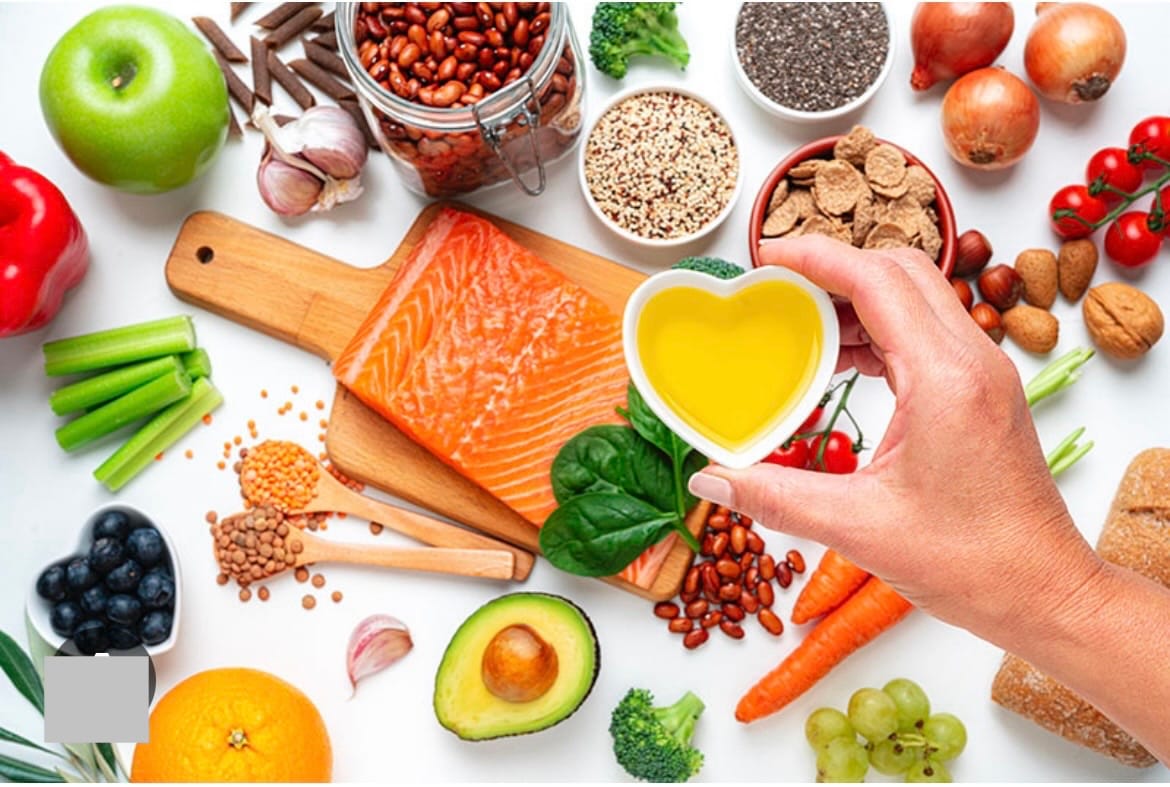
The Mediterranean Diet: Your Foundation for Menopausal Health
When it comes to evidence-based eating patterns for menopause, the Mediterranean diet stands out as the gold standard. A 2024 study published in the European Journal of Nutrition found that adherence to a Mediterranean-style diet was associated with reduced severity of menopausal symptoms.
This dietary pattern emphasises:
- Abundant vegetables, fruits, and whole grains
- Healthy fats from olive oil, nuts, and fatty fish
- Moderate amounts of fish and poultry
- Limited red meat and processed foods
- Herbs and spices instead of salt
The cardiovascular benefits are particularly impressive. Research demonstrates that high adherence to the Mediterranean diet produces meaningful reductions in blood pressure and triglyceride levels, helping to offset the increased cardiovascular risk that comes with declining oestrogen.
Essential Nutrients for Menopausal Women
Calcium: Building Bone Strength
Bone health becomes critical during menopause as declining oestrogen accelerates bone loss. Women can lose approximately 3% of bone mass each year during menopause and for about five years afterward, according to recent 2025 research from Tufts University.
Daily calcium requirements increase to 1,200 mg for postmenopausal women. The best food sources include:
- Dairy products: milk, yogurt, cheese
- Leafy greens: kale, spinach, parsley, bok choy, cress
- Fortified plant-based milks, almonds
- Canned sardines and salmon with bones
- Fortified orange juice and cereals
While calcium is essential, recent evidence suggests that during early menopause, changing hormone levels can make calcium supplements less effective at preventing bone loss. This is because lower oestrogen causes bones to release calcium into the bloodstream, which signals the body to reduce calcium absorption. Focus on getting calcium from whole food sources whenever possible.
Vitamin D: The Calcium Partner
Vitamin D works hand-in-hand with calcium to maintain bone health. Postmenopausal women need 800-2,000 IU daily, according to current guidelines. This nutrient enhances calcium absorption and helps prevent bone loss.
Food sources include:
- Fatty fish: salmon, mackerel, sardines, anchovies
- Egg yolks
- Fortified foods: milk, plant-based milks, cereals
But the most effective approach appears to be combining adequate vitamin D and calcium intake from food sources with weight-bearing exercise.
Protein: Preserving Muscle Mass
Muscle mass can decrease by up to 40% during menopause, making adequate protein intake crucial. Aim for 1.0-1.2 grams of protein per kilogram of body weight daily, with 25-30 grams at each meal for optimal muscle protein synthesis.
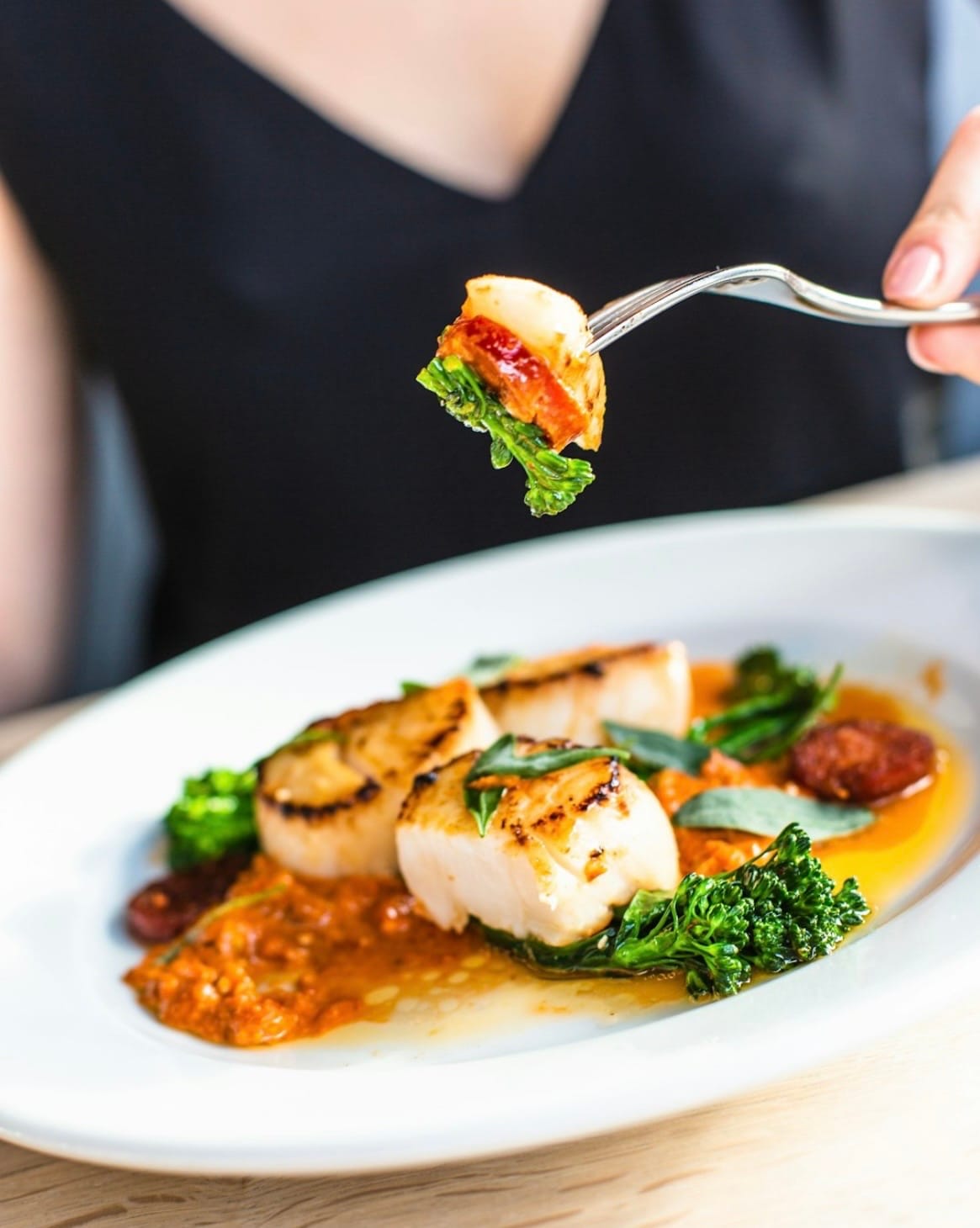
A 2025 study from China found that increased fish consumption was associated with delayed menopause onset and reduced severity of menopausal symptoms. Quality protein sources include:
- Fish and seafood (especially fatty fish rich in omega-3s)
- Lean poultry
- Legumes: beans, lentils, chickpeas
- Greek yogurt and cottage cheese
- Eggs
- Nuts and seeds
Omega-3 Fatty Acids: Fighting Inflammation
Omega-3 fatty acids from fish oil have demonstrated cardiovascular benefits for postmenopausal women. A 2023 meta-analysis found that omega-3 supplementation resulted in significant reductions in triglyceride levels and modest increases in HDL cholesterol.
Additionally, omega-3s may help with vasomotor symptoms. Research comparing different dietary patterns found that a diet rich in omega-3 fatty acids showed significant improvement in reducing hot flashes.
Best sources include:
- Fatty fish: salmon, mackerel, sardines, herring
- Walnuts
- Flaxseeds (ground)
- Chia seeds
- Algae-based supplements for vegetarians
Antioxidants: Protecting Against Oxidative Stress
Menopausal women face increased oxidative stress. A 2025 study found that higher carotenoid intake was associated with reduced risk of depressive symptoms in postmenopausal women. Another 2024 study demonstrated that dietary antioxidants helped reduce hypertension risk among menopausal women.
Focus on colourful fruits and vegetables rich in:
- Carotenoids: carrots, sweet potatoes, spinach, kale
- Vitamin C: citrus fruits, berries, bell peppers
- Vitamin E: nuts, seeds, leafy greens
- Polyphenols: berries, dark chocolate, green tea
Plant-Based Foods and Phytoestrogens
Plant-based dietary patterns have shown promise for managing menopausal symptoms. A randomised controlled trial known as the WAVS study found that a plant-based diet combined with whole soybeans significantly reduced vasomotor symptoms in postmenopausal women.
Phytoestrogens are plant compounds that can weakly mimic oestrogen in the body. The best sources include:
- Soybeans and soy products: tofu, tempeh, edamame
- Flaxseeds
- Legumes: lentils, chickpeas, beans
- Whole grains
A 2023 dietary intervention study for vasomotor symptoms demonstrated that women following a low-fat, plant-based diet experienced meaningful symptom relief.
Foods to Limit or Avoid
Certain foods can exacerbate menopausal symptoms or increase health risks:
Processed and Ultra-Processed Foods
A 2024 survey found that the most common dietary change women made during menopause was reducing processed foods. These foods often contain high levels of sodium, sugar, and unhealthy fats that can worsen symptoms and increase cardiovascular risk.
Alcohol
Some research suggests that alcohol consumption and high levels of fat and sugar may increase vasomotor symptoms like hot flashes. Many women find that limiting alcohol especially in the evening, helps reduce night sweats.
Added Sugars
Menopausal women experience changes in sugar metabolism, leading to higher post-meal glucose responses. Limiting added sugars helps manage weight and reduce diabetes risk.
Excess Sodium
High sodium intake will worsen blood pressure, a particular concern as cardiovascular risk increases after menopause.
Managing Weight and Metabolism During Menopause
Weight gain is common during menopause, with approximately 20% of women gaining over 4.5 kg during the perimenopausal period. This occurs due to several factors including changes in body composition, alterations to the gut microbiome, and shifts in metabolism.
A 2025 study published in Frontiers in Reproductive Health found that a 12-week obesity intervention program emphasising nutrition education resulted in significant improvements in weight, BMI, and waist circumference across all menopausal stages, with postmenopausal women showing the most notable changes.

Effective strategies include:
- Eating slowly (20+ minutes per meal) to reduce calorie intake
- Emphasising low-glycemic index foods
- Consuming adequate protein at each meal (25-30g)
- Practicing portion control
- Staying physically active with both cardio and strength training
Practical Meal Planning Tips
Based on successful intervention studies, an effective eating pattern for menopause includes:
- Breakfast: Greek yogurt with berries, ground flaxseeds, and walnuts; or scrambled eggs with spinach and whole grain toast
- Lunch: Large salad with mixed greens, grilled salmon, chickpeas, colorful vegetables, and olive oil dressing
- Dinner: Stir-fried tofu or chicken with broccoli, bell peppers, and brown rice
- Snacks: Apple slices with almond butter, carrot sticks with hummus, or a handful of nuts
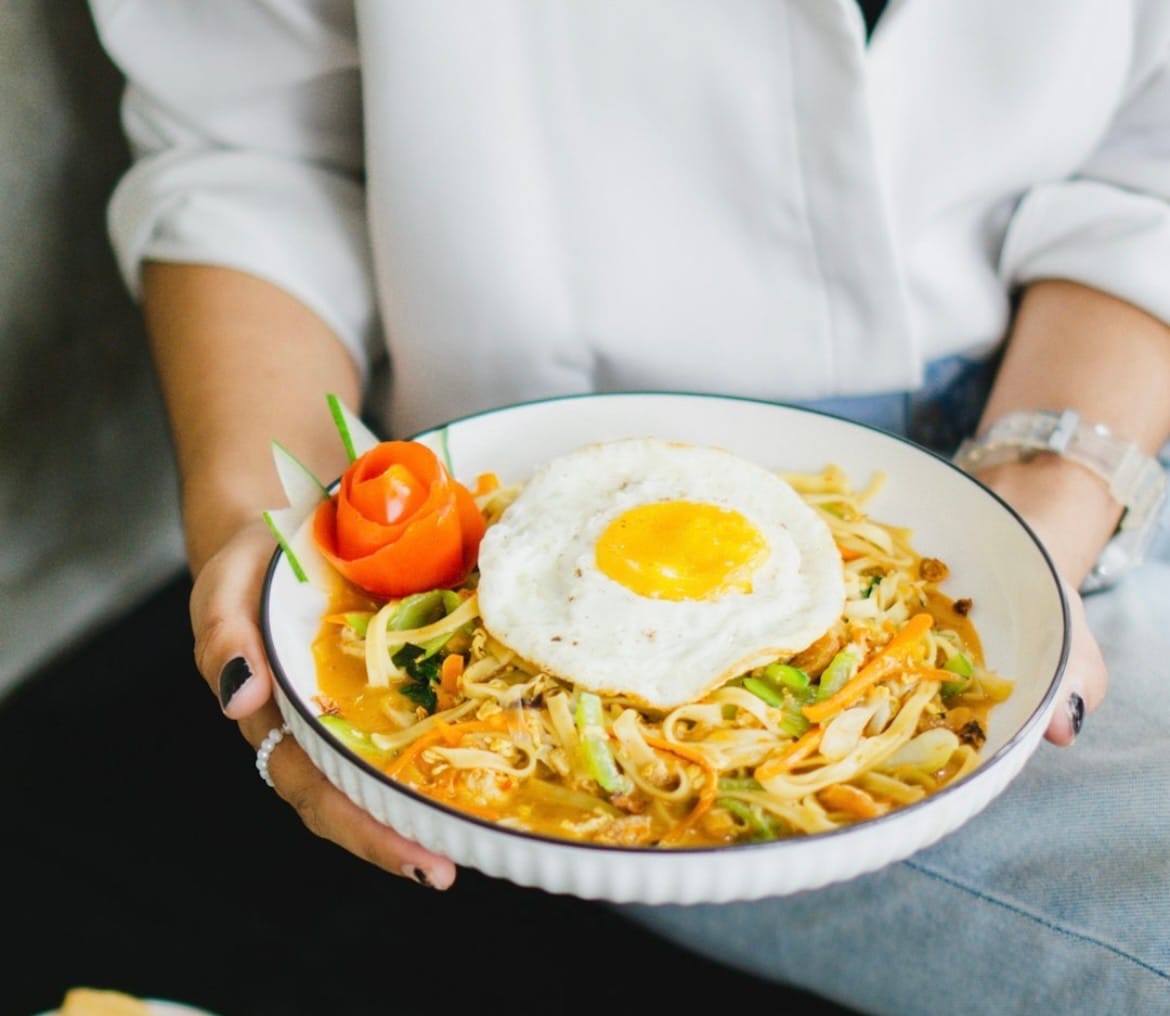
Aim for a macronutrient distribution of approximately 50-55% carbohydrates (from whole grains, fruits, vegetables), 20-25% protein, and 25-30% healthy fats.
The Role of Hydration
Adequate fluid intake is crucial during menopause. Water helps regulate body temperature (important for managing hot flashes), supports skin health, aids digestion, and helps prevent urinary tract infections, which become more common after menopause.
Aim for at least 8 glasses of water daily, increasing intake during hot weather or exercise.
Frequently Asked Questions
What is the best diet for menopause weight loss?
The Mediterranean diet combined with calorie control shows the strongest evidence for weight management during menopause. Research indicates that a balanced approach providing 1,200-1,500 calories daily with 50-55% carbohydrates (from whole grains and vegetables), 20-25% protein, and 25-30% healthy fats works well for most women. Focus on whole, minimally processed foods and combine dietary changes with regular physical activity.
Can diet really help with hot flashes and night sweats?
Yes, research shows that diet can influence vasomotor symptoms. Studies have found that plant-based diets, particularly those including whole soybeans and foods rich in omega-3 fatty acids, can reduce hot flash frequency and severity. Conversely, alcohol, spicy foods, and high-fat, high-sugar meals may trigger or worsen symptoms in some women.
How much calcium do I really need during menopause?
Postmenopausal women need 1,200 mg of calcium daily. It's best to obtain this from food sources like dairy products, leafy greens, and fortified foods rather than relying solely on supplements. During early menopause, calcium from food may be better absorbed than from supplements due to hormonal changes affecting calcium metabolism.
Should I take supplements during menopause?
While a food-first approach is ideal, some women may benefit from supplements, particularly vitamin D (800-2,000 IU daily), as it's difficult to obtain adequate amounts from food alone. Calcium supplementation may be helpful if dietary intake is insufficient, though recent evidence suggests supplements alone may not prevent fractures. Always consult with your healthcare provider before starting any supplement regimen, as individual needs vary.
Is soy safe for menopausal women?
Yes, whole soy foods like tofu, tempeh, and edamame are safe and beneficial for most menopausal women. Research, including the WAVS study, has shown that whole soybeans can help reduce vasomotor symptoms. Soy contains phytoestrogens that may provide mild estrogenic effects. However, if you have a history of oestrogen-sensitive breast cancer, discuss soy intake with your nutritionist.
How can I prevent the belly fat that comes with menopause?
While hormonal changes during menopause promote abdominal fat storage, you can minimize this through diet and lifestyle. Focus on eating adequate protein (25-30g per meal), choosing low-glycemic foods, reducing processed carbohydrates and added sugars, staying physically active with both cardio and strength training, managing stress, and getting adequate sleep. A 2025 study showed that women following these principles had significantly reduced waist circumference.
What foods should I avoid during menopause?
Limit or reduce processed foods, excess added sugars, high-sodium foods, and excessive alcohol. Many women also find that spicy foods, and large meals can trigger hot flashes. Survey data from 2024 shows that reducing processed foods was the most common beneficial dietary change women made during menopause.
Can intermittent fasting help during menopause?
Some women find intermittent fasting helpful for weight management during menopause. A 2024 survey found that among women following specific diets, intermittent fasting was the most common choice (13.4%). However, research on its specific benefits for menopausal symptoms is still limited. If you try intermittent fasting, ensure you're still meeting your nutritional needs, particularly for protein, calcium, and other essential nutrients.
Conclusion
Nutrition plays a fundamental role in how you experience menopause. While the hormonal changes of this transition are inevitable, your dietary choices can significantly influence symptom severity and protect your long-term health. The evidence consistently points toward a Mediterranean-style eating pattern rich in whole grains, fruits, vegetables, fatty fish, nuts, and olive oil as the optimal approach.
Focus on adequate protein to preserve muscle mass, sufficient calcium and vitamin D for bone health, omega-3 fatty acids for cardiovascular protection, and plenty of colourful plant foods for their antioxidant and phytoestrogen content. Equally important is what you reduce: processed foods, added sugars, excess sodium, and alcohol.
Remember that nutrition during menopause isn't about restriction—it's about nourishment. The goal is to provide your changing body with the nutrients it needs to thrive during this transition and beyond. Work with healthcare professionals, nutritionists, to create a personalised plan that addresses your individual needs, preferences, and health status.

References
- Byrne-Kirk M, Mantzioris E, Scannell N, Villani A. Adherence to a Mediterranean-style diet and severity of menopausal symptoms in perimenopausal and menopausal women from Australia: a cross-sectional analysis. Eur J Nutr. 2024;63:2743–51.
- Tessier A-J, Wang F, Korat AA, Eliassen AH, Chavarro J, Grodstein F, et al. Optimal dietary patterns for healthy aging. Nat Med. 2025;31:1644–52.
- Davies E, Halliday V. Nutrition information and the menopause: An online survey of perimenopausal and menopausal women. Post Reprod Health. 2024;31(2):65–72.
- Association Between Protein-Rich Foods, Nutritional Supplements, and Age of Natural Menopause and Its Symptoms. Nutrients. 2025;17(2):356.
- Erdélyi A, Pálfi E, Tűű L, et al. The importance of nutrition in menopause and perimenopause—a review. Nutrients. 2024;16(1):27.
- Dawson-Hughes B. What Older Adults Should Know About Calcium and Vitamin D. Tufts University. December 2025.
- Migliorini F, Maffulli N, et al. Vitamin D and calcium supplementation in women undergoing pharmacological management for postmenopausal osteoporosis: a level I of evidence systematic review. Eur J Med Res. 2025;30:170.
- Barnard ND, Kahleova H, Holtz DN, et al. The women's study for the alleviation of vasomotor symptoms (WAVS): a randomized, controlled trial of a plant-based diet and whole soybeans for postmenopausal women. Menopause. 2021;28:1150–6.
- Dietary interventions and nutritional strategies for menopausal health: a mini review. Front Nutr. 2025;12:1702105.
- Impact of a 12-week obesity intervention on menopausal symptoms and psychological well-being across menopause stages. Front Reprod Health. 2025;7:1524790.


