
The Secret Behind the French Paradox: A Different Philosophy of Eating
For decades, researchers and health enthusiasts have puzzled over what's known as the "French Paradox"—the phenomenon where French people enjoy rich foods like butter, cheese, and wine while maintaining significantly lower obesity rates (14-15.3%) compared to Britain (28%), the United States (37.9%) and reduced incidence of heart disease. The answer is NOT found in restrictive diets or calorie counting, but rather in a fundamentally different relationship with food.
While the wellness industry generates billion of dollars / pounds / euros annually promoting diets, cleanses, and weight-loss programs, French women approach nutrition from an entirely different angle. They don't diet—they live. This article explores the cultural, psychological, and practical elements of the French approach to nutrition that keeps French women healthy without the need for restrictive eating patterns.

The Cultural Foundation: Food as Pleasure, Not Punishment
At the heart of the French approach lies a fundamental cultural difference in how food is perceived. While Brits and Americans tend to associate food primarily with health concerns, the French associate it with pleasure, viewing mealtimes as sacred moments for enjoyment and social connection rather than anxiety-inducing calculations of calories and macronutrients.
This pleasure-centered approach doesn't mean reckless indulgence. Instead, it creates a healthier psychological relationship with eating. When food is enjoyed rather than feared, it becomes easier to recognise natural hunger and satiety cues—a practice that aligns with modern research on intuitive eating.
Recent studies have shown the value of this approach. Research on mindful and intuitive eating has increased dramatically, These methods, which encourage focusing on internal hunger and satiety cues rather than external diet rules, mirror what French culture has practiced for generations.
Quality Over Quantity: The Art of Savouring
French women (and men) prioritise quality over quantity in their food choices. Rather than consuming large portions of processed foods, they select smaller portions of high-quality, flavourful ingredients. A perfectly ripened cheese, a slice of artisanal bread, a square of dark chocolate—these are savoured slowly, engaging all the senses.

This practice of savouring has scientific backing. When we eat slowly and mindfully, we give our bodies time to register fullness, naturally preventing overeating. The French meal structure, which typically includes multiple courses consumed over an extended period, facilitates this natural regulation.
Furthermore, research suggests that mindful eating is positively related to a range of mental and physical health outcomes.
Structure and Rhythm: The Importance of Mealtimes
Unlike the grab-and-go culture prevalent in the UK and many countries, French society maintains structured mealtimes. Breakfast, lunch, and dinner occur at regular hours, and meals are treated as events worthy of attention and time.
This structure provides several benefits. First, it prevents constant grazing throughout the day, which can lead to consuming excess calories without awareness. Second, it creates anticipation and allows the body to develop natural hunger rhythms. Third, it transforms eating from a mindless activity into a conscious practice.
The typical French lunch break, for example, often lasts an hour or more. People sit down, often with colleagues or friends, and give their full attention to the meal. This stands in stark contrast to eating at one's desk while working—a practice that research links to overeating and decreased meal satisfaction.
No Forbidden Foods: The Freedom of Moderation
Perhaps one of the most striking differences in the French approach is the absence of "forbidden foods." Bread, butter, cheese, chocolate, wine—all are incorporated into regular eating patterns in moderate amounts.
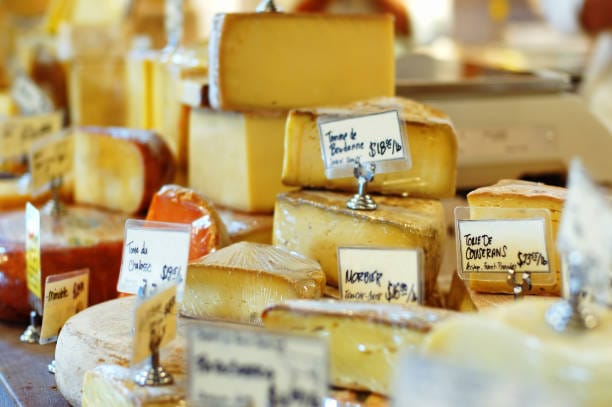


This approach aligns with growing research showing that restrictive dieting often backfires. Traditional weight management methods like restricting calorie intake or limiting certain foods may be effective short-term but can have negative effects on both physical and mental health long-term.
When no food is off-limits, there's no psychological deprivation or frustration that leads to binge eating or obsessive food thoughts. French women can enjoy a croissant at breakfast or a glass of wine with dinner without guilt or the feeling that they've "ruined" their diet.
Walking and Daily Movement: Activity Without Exercise
The French approach to physical activity differs from the British gym culture. While fitness studios are less ubiquitous in France, daily movement is built into everyday life. Walking to the market, taking stairs instead of elevators, cycling to work—these activities provide consistent, moderate exercise without the all-or-nothing mentality of workout routines.
This integration of movement into daily life may contribute to better long-term health outcomes than sporadic intense exercise sessions. It's sustainable, doesn't require special equipment or memberships, and doesn't create the mindset that movement is a punishment for eating.
The Role of Fresh, Whole Foods
French food culture emphasises fresh, seasonal, and minimally processed ingredients. Daily or frequent visits to local markets for produce, bread, cheese, and meat are common practice. This ensures a diet rich in nutrients while avoiding the excessive sodium, sugar, and additives found in many processed foods.
Research indicates that quality and diversity contribute to the French paradox. Studies examining French dietary patterns have found that despite higher fat consumption, the overall diet quality and diversity of French adults shows patterns that differ from British dietary habits.
Social Connection and Communal Eating
Meals in French culture are inherently social events. Family dinners, lunches with colleagues, and weekend gatherings with friends center around shared meals. This social dimension of eating serves multiple purposes.
First, eating with others naturally slows down the pace of the meal, allowing for better digestion and satiety recognition. Second, it provides emotional satisfaction that might otherwise be sought through food. Third, it creates accountability—people tend to eat more moderately in social settings.
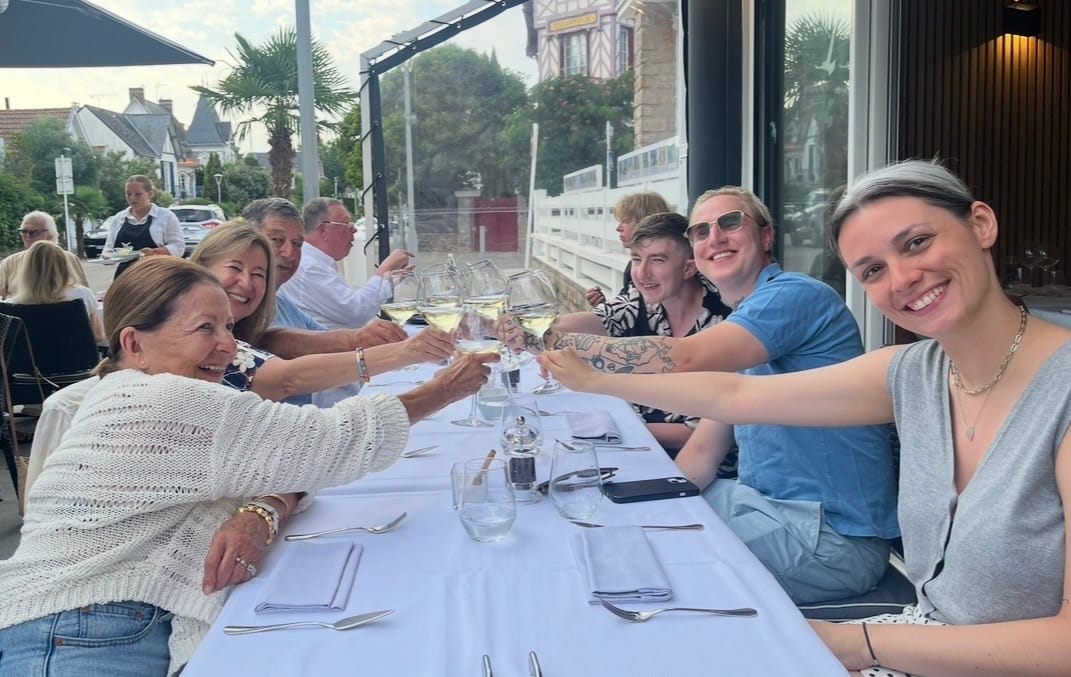
The importance of this communal aspect cannot be overstated. In a culture where food brings people together rather than isolating individuals in their dietary restrictions, eating becomes a source of joy rather than stress.
Portion Awareness Without Portion Control
French people develop from a very early age and through education both at home and at school, a sense of appropriate portions without measuring, weighing, or tracking their food. They also tend to use smaller plates, serve courses separately rather than pile everything on one plate, and stop when satisfied rather than when "stuffed".
This intuitive portion awareness contrasts sharply with the external control methods promoted by many diets. Rather than following prescribed portion sizes, French women listen to their bodies' signals, eating until satisfied but not uncomfortable.
The Mindset: Accepting Your Body
Many French women often refuse to accept being overweight and maintain a desire to look good and take care of themselves, but this doesn't translate into obsessive dieting. Instead, it manifests as consistent, sustainable habits that maintain health and appearance over the long term.
This mindset differs from the cycle of weight loss and gain common in diet culture. Rather than dramatic transformations, French women aim for consistency. They dress well at any size, invest in self-care, and maintain routines that support their well-being.
What We Can Learn: Applying French Principles
While we can't simply transplant French culture elsewhere, we can adopt principles from the French approach to nutrition:
Slow down: Take time to prepare and enjoy meals without distractions.
Choose quality: Invest in fewer, higher-quality food items rather than large quantities of processed options.
Eliminate food guilt: Allow yourself to enjoy all foods in moderation without labelling them as "good" or "bad."
Establish routine: Create regular mealtimes and avoid constant snacking.
Move naturally: Incorporate walking and daily movement rather than relying solely on gym sessions.
Make it social: Share meals with others whenever possible.
Listen to your body: Trust your hunger and fullness cues rather than external diet rules.
The Scientific Support for Food Freedom
Modern research increasingly supports the French approach. Studies on mindful eating show promising results for both physical and mental health. Intuitive eating and mindful eating have emerged as promising approaches for developing a healthier relationship with food, with research suggesting diet can significantly impact mental health.
A recent systematic review examining the connection between red wine and cardiovascular health found that while the cardio-protective potential of red wine appears to result more from its polyphenol content than alcohol itself, it may contribute modestly to improved health profiles when consumed in moderation within a healthy diet—exactly how the French approach wine consumption.

Frequently Asked Questions
Do French women really not diet?
While some French women certainly diet, it's far less common than in countries like Britain. The cultural norm emphasises consistent, moderate eating habits rather than cycles of restriction and indulgence. French women generally maintain their weight through lifestyle rather than temporary diets.
How can eating cheese, bread, and wine be healthy?
The key lies in portion size, quality, and overall dietary pattern. French people typically consume these foods in moderate amounts, alongside plenty of fresh vegetables, fruits, and lean proteins. The quality of ingredients also matters—artisanal bread and cheese contain fewer additives than mass-produced versions. Additionally, these foods are enjoyed as part of balanced meals, not as snacks throughout the day.
Can I lose weight using the French approach?
The French approach isn't primarily about weight loss—it's about developing a sustainable, healthy relationship with food. However, many people find that when they stop dieting and start eating intuitively with attention to quality and satisfaction, their weight naturally reduces and then stabilises at a healthy point.
Isn't intuitive eating just eating whatever you want?
Intuitive eating is not about unrestricted indulgence. It's about tuning into your body's actual needs and responding to genuine hunger and fullness signals. This includes boosting your health by choosing foods that make you feel good physically, not just satisfying immediate cravings. The French approach demonstrates this balance—enjoying rich foods in moderation while prioritizing fresh, whole foods most of the time.
How long does it take to develop this approach to eating?
Transitioning from diet culture to an intuitive, French-inspired approach takes time, especially if you've spent years following restrictive diets. It requires rebuilding trust with your body's signals and releasing food guilt. Many notice improvements in their relationship with food within the first few weeks.
What if I have specific health conditions requiring dietary restrictions?
The French approach can be adapted to accommodate medical dietary needs. The principles of eating quality foods, enjoying meals, and eliminating guilt still apply. Working with a nutritionist can help you apply these principles while managing specific health requirements.
How does the French approach address emotional eating?
By removing the restriction-binge cycle and food guilt, the French approach can actually reduce emotional eating. When all foods are allowed and meals are satisfying, food becomes less appealing as a coping mechanism. Additionally, the social and pleasurable aspects of French eating culture provide emotional satisfaction that might otherwise be sought through food alone.
Conclusion: A Lifestyle, Not a Diet
The reason French women don't diet is simple: they don't need to. Their cultural approach to food—emphasising pleasure, quality, moderation, and social connection—creates a sustainable way of eating that supports both physical health and psychological well-being.
As research on intuitive eating and mindful eating continues to grow, science is confirming what French culture has known for generations: the best "diet" isn't a diet at all. It's a lifestyle that meets both the body's needs and the soul's desire for pleasure and connection.
In a world increasingly dominated by food anxiety and diet culture, the French approach offers a refreshing alternative—one where we can enjoy our meals, trust our bodies, and find health through balance rather than restriction.
References
1. "The French Paradox: How to Live Like a French Girl for Better Health." The Everygirl, June 2025.
2. "Investigating the French Paradox: Intersections of health, food, and culture." UNC Center for European Studies, January 2024.
3. Eaton, M., et al. "Food for the Mind: A systematic review of mindful and intuitive eating approaches for mental health & wellbeing." European Psychiatry, August 2024.
4. "Mindful and intuitive eating: A bibliometric analysis of research trends from 2004 to 2024." medRxiv, April 2025.
5. "Examining the French paradox: a systematic review of red wine consumption and cardiovascular risk." PMC, 2024.
6. Drewnowski, A., et al. "Diet quality and dietary diversity in France: implications for the French paradox." Journal of the American Dietetic Association, July 1996.
7. "Assessment of Intuitive Eating and Mindful Eating among Higher Education Students: A Systematic Review." Healthcare, February 2024.


