
If you have ever eaten less, lost weight, and then watched it all return (often with a few extra pounds), you are not lacking willpower. You are experiencing physiology. Your body has a sophisticated system that defends its weight and its energy supply, and that system is your metabolism.
In my practice, I meet many people who have spent years trying to reach a "normal" BMI by cutting calories. Their frustration is always the same: the scale moves, then it stops, then it reverses, and they feel tired, cold, irritable and discouraged along the way. This article explains why, and what actually works instead.
What is metabolism, really?
Metabolism is the sum of all the chemical reactions that keep you alive: converting food into energy, building and repairing tissue, regulating hormones, powering your brain, and fighting infection. It is not a single dial that is "fast" or "slow". It is a network.
Your total daily energy expenditure has four main components:
- Basal metabolic rate (BMR): the energy your body uses at rest to keep your organs working. This is typically 60 to 70% of daily expenditure.
- Thermic effect of food: the energy used to digest and process what you eat (around 10%).
- Physical activity: structured exercise plus everyday movement.
- Non-exercise activity thermogenesis (NEAT): fidgeting, walking, standing, and all the small movements of daily life.
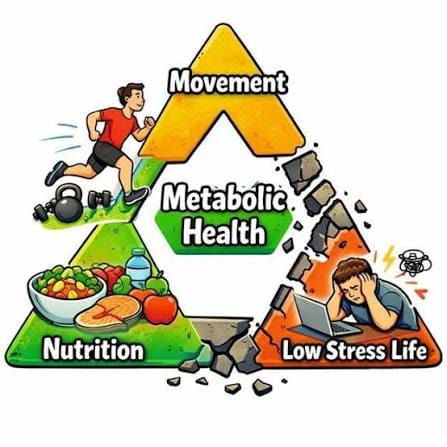
Research also shows that metabolism is more nuanced than popular belief suggests. A large study published in Science analysing energy expenditure in thousands of people found that metabolic rate changes across the lifespan in patterns that do not match the common "it all slows down in your 30s" story. In fact, most of the variation between individuals comes down to body composition and organ function, not just age or willpower (Pontzer et al., 2021).
The key point for patients is this: metabolism is not only about calories. It is about how well your hormones, muscles, liver, gut, immune system and brain communicate with each other.
Why simply eating less is not the answer
The traditional advice ("eat less, move more") treats the body like a bank account. The body does not behave that way. When energy intake drops sharply, it responds as if it were facing a famine.
1. Your metabolism adapts and slows down
This response is called adaptive thermogenesis: after weight loss, the body burns fewer calories than would be predicted from the new body size alone (Rosenbaum & Leibel, 2010). The effect has been documented for decades. In the classic Minnesota Starvation Experiment, healthy men placed on a severe calorie restriction showed marked drops in energy expenditure, along with preoccupation with food, fatigue and mood changes.
A more recent and striking example comes from follow-up of contestants of The Biggest Loser. Six years after the competition, most had regained a large share of the weight, and their resting metabolic rate remained significantly lower than expected, even years later.
2. Your hunger hormones shift against you
After weight loss, levels of leptin (which signals fullness) fall, while ghrelin (which stimulates hunger) rises. In a landmark New England Journal of Medicine study, these hormonal changes persisted for a full year after weight loss, creating a biological push towards regaining weight. This is not a character flaw. It is a hormonal drive.
3. You lose muscle, the engine of your metabolism
When weight is lost rapidly, a significant proportion can come from lean mass, not just fat. Muscle is metabolically active tissue: it burns energy at rest, stores glucose, and protects bone and joints. Losing it lowers your metabolic rate and increases the risk of frailty, particularly with age. This is why two people can reach the same BMI with very different health outcomes. One has preserved muscle and metabolic flexibility; the other has a lower BMI but a weaker, slower, more fragile metabolism, and is far more likely to regain fat.
4. The risks of crash dieting
Very low calorie diets and repeated cycles of loss and regain can contribute to nutrient deficiencies, hair loss, gallstones, hormonal disruption, disturbed sleep, low mood and an unhealthy relationship with food. This is why I never recommend unsupervised aggressive restriction.
BMI is a useful screening tool, but it does not tell you how healthy your metabolism is. A normal BMI reached through starvation is not the same as a normal BMI reached through restored metabolic health.
Metabolic health: what it means for your whole body
When we improve metabolism rather than just shrinking intake, the benefits reach every system.
Blood sugar and insulin
Insulin is the hormone that moves glucose from your blood into cells. When tissues become less responsive (insulin resistance), the pancreas compensates by producing more insulin. This promotes fat storage, increases hunger and cravings, and can progress to prediabetes and type 2 diabetes. Stabilising blood glucose through food quality, protein and fibre intake, meal structure and movement is one of the most powerful metabolic levers available.
Hormonal balance
Metabolism and hormones are inseparable. Thyroid hormones set the pace of cellular energy production. Cortisol, the stress hormone, influences fat distribution and blood sugar. Sex hormones affect muscle mass, fat storage and energy. Chronic under-eating, chronic stress and poor sleep can disrupt all of them. For example, even short-term sleep restriction in healthy adults has been shown to lower leptin, raise ghrelin and increase appetite.
Cardiovascular health
Metabolic syndrome is a cluster of abdominal obesity, raised blood pressure, high triglycerides, low HDL cholesterol and elevated glucose, and it substantially increases cardiovascular risk. Improving these markers through diet quality matters more than the number on the scale. The PREDIMED trial showed that a Mediterranean-style pattern, rich in olive oil, nuts, vegetables, legumes and fish, reduced major cardiovascular events in people at high risk, without calorie restriction (Estruch et al., 2018).
Immune function and inflammation
Excess visceral fat is not inert storage. It releases inflammatory signals that interfere with insulin action and contribute to chronic low-grade inflammation. In turn, chronic inflammation can weaken immune regulation and contribute to joint pain, fatigue and slower recovery. Adequate protein, micronutrients (such as vitamin D, zinc, iron and omega-3 fats), gut health and sleep all support a balanced immune response.
Energy and daily vitality
Persistent fatigue is one of the most common reasons patients consult me. It is often a metabolic signal: blood sugar swings, low iron or vitamin B12, an under-fuelled thyroid, poor sleep, or too little protein and total energy. When cells make energy efficiently, people report better concentration, steadier mood, more motivation to move and less reliance on caffeine and sugar.
Mental and emotional health
The gut-brain-metabolism connection is real. Diet quality is associated with the risk of depression, and in the SMILES randomised controlled trial, adults with moderate to severe depression who received dietary support based on a Mediterranean-style pattern showed greater improvements in symptoms than a social support control group (Jacka et al., 2017). Restrictive dieting, by contrast, often brings food preoccupation, guilt, anxiety and binge-restrict cycles. Healthy metabolism supports a healthy mind, and vice versa.
What actually changes metabolism, safely?
The evidence points to a set of interacting levers, not a single trick.
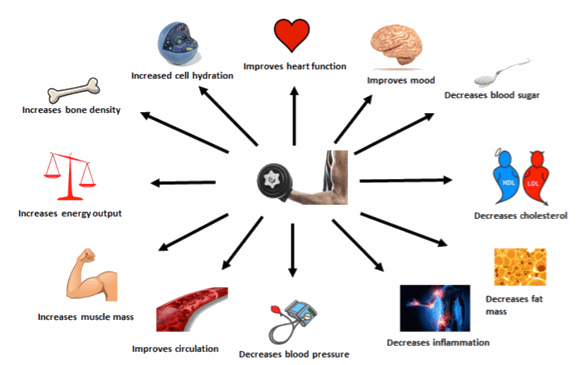
1. Preserve and build muscle. Adequate protein spread across the day, combined with resistance training, protects lean mass during weight loss. Muscle improves insulin sensitivity and raises daily energy expenditure.
2. Eat real food, not just fewer calories. In a controlled inpatient study from the US National Institutes of Health, participants eating an ultra-processed diet consumed about 500 more calories per day and gained weight, compared with an unprocessed diet in which they lost weight, even though the meals were matched for presented calories, sugar, fat and fibre (Hall et al., 2019). The quality of food shapes appetite and metabolism.
3. Respect circadian rhythm and meal timing. Metabolism follows a daily clock. In one randomised trial in women with overweight and obesity, those who ate a larger breakfast and a smaller dinner lost more weight and showed greater improvements in insulin and triglycerides than those with the reverse pattern, at the same total calories. Timing is individual, which is why personalised assessment matters.
4. Sleep and stress management. Poor sleep and chronic stress drive cravings, fat storage and insulin resistance.
5. Moderate, gradual change. Long-term weight loss maintenance is associated with consistent habits, regular physical activity, self-monitoring and sustained behaviour change, not temporary restriction.
6. Investigate underlying causes. Thyroid function, iron status, vitamin D, blood glucose and lipids, hormonal conditions such as PCOS or menopause, medications and gut symptoms can all influence metabolism. Where appropriate, I work alongside your GP.
Why a personalised approach changes everything
Generic diets assume that everyone has the same metabolism, history and lifestyle. In reality, two people of the same age and weight can have very different insulin sensitivity, hormone levels, muscle mass, sleep patterns, stress loads and food relationships.
Working with a qualified nutritionist means the plan is built around your biology and your life. In a consultation with me, you can expect:
- A comprehensive assessment: medical history, previous diets, symptoms, sleep, stress, activity, food preferences and relevant blood tests.
- A look beyond BMI: body composition, and markers that tell us how your body is really functioning.
- A tailored nutrition strategy: protein targets, meal structure, food quality and timing designed to stabilise blood sugar, protect muscle and restore energy, without extreme restriction.
- Support for your relationship with food: because lasting results depend on psychological wellbeing, not willpower alone.
- Ongoing follow-up and adjustment: because your metabolism changes as you do.
The goal is not to reach a number and hold on desperately. It is to reach a normal BMI as a consequence of a healthy metabolism, so that the result is stable, you feel well, and you no longer have to fight your own body.

Ready to work with your metabolism, not against it?
If you are tired of cycles of dieting, regain and frustration, or if you suspect your fatigue, cravings, weight changes or blood results point to a deeper metabolic issue, you do not have to keep guessing.
References
- Alberti KGMM, et al. Harmonizing the metabolic syndrome. Circulation. 2009;120(16):1640-1645.
- Cava E, Yeat NC, Mittendorfer B. Preserving healthy muscle during weight loss. Advances in Nutrition. 2017;8(3):511-519.
- Estruch R, et al. Primary prevention of cardiovascular disease with a Mediterranean diet supplemented with extra-virgin olive oil or nuts (PREDIMED, retracted and republished). N Engl J Med. 2018;378(25):e34.
- Fothergill E, et al. Persistent metabolic adaptation 6 years after "The Biggest Loser" competition. Obesity. 2016;24(8):1612-1619.
- Hall KD, et al. Ultra-processed diets cause excess calorie intake and weight gain. Cell Metabolism. 2019;30(1):67-77.
- Hall KD, Kahan S. Maintenance of lost weight and long-term management of obesity. Med Clin North Am. 2018;102(1):183-197.
- Hotamisligil GS. Inflammation and metabolic disorders. Nature. 2006;444:860-867.
- Jacka FN, et al. A randomised controlled trial of dietary improvement for adults with major depression (the SMILES trial). BMC Medicine. 2017;15:23.
- Jakubowicz D, et al. High caloric intake at breakfast vs. dinner differentially influences weight loss of overweight and obese women. Obesity. 2013;21(12):2504-2512.
- Keys A, et al. The Biology of Human Starvation. University of Minnesota Press; 1950.
- Lassale C, et al. Healthy dietary indices and risk of depressive outcomes: a systematic review and meta-analysis of observational studies. Mol Psychiatry. 2019;24:965-986.
- Pontzer H, et al. Daily energy expenditure through the human life course. Science. 2021;373(6556):808-812.
- Rosenbaum M, Leibel RL. Adaptive thermogenesis in humans. Int J Obes. 2010;34(Suppl 1):S47-S55.
- Spiegel K, et al. Brief communication: sleep curtailment in healthy young men is associated with decreased leptin levels, elevated ghrelin levels, and increased hunger and appetite. Ann Intern Med. 2004;141(11):846-850.
- Sumithran P, et al. Long-term persistence of hormonal adaptations to weight loss. N Engl J Med. 2011;365:1597-1604.
- Wing RR, Phelan S. Long-term weight loss maintenance. Am J Clin Nutr. 2005;82(1 Suppl):222S-225S.


