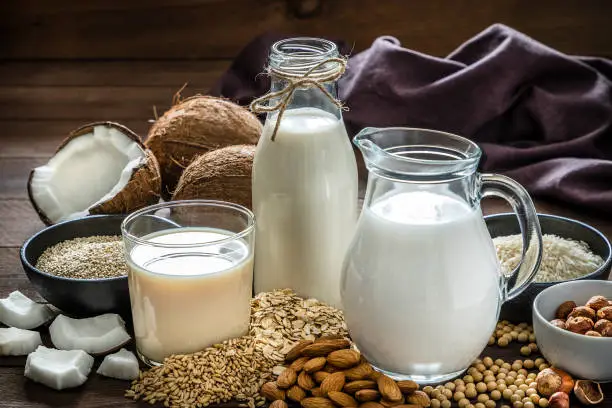
The rise of plant-based milk alternatives has transformed modern diets, offering diverse options for those with lactose intolerance, dairy allergies, environmental concerns, or simply a preference for variety.
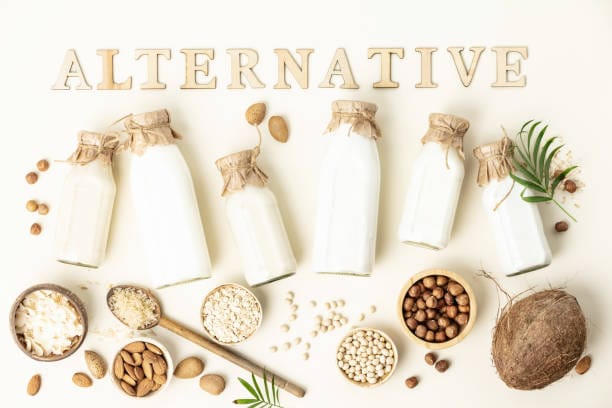
Plant-based milks have surged in popularity over the past decade, moving from niche health food stores to mainstream supermarket shelves. These dairy alternatives provide nutritious options derived from nuts, seeds, grains, and legumes, each offering unique nutritional profiles and culinary characteristics.
Nutritional Comparison
| Type | Calories (per cup) | Protein (g) | Fat (g) | Carbs (g) | Key Nutrients |
|---|---|---|---|---|---|
| Dairy Milk (whole) | 150 | 8 | 8 | 12 | Calcium, B12, Vitamin D |
| Almond Milk | 30-40 | 1 | 2.5 | 1-2 | Vitamin E, low calorie |
| Soy Milk | 80-100 | 7 | 4 | 4 | Complete protein, iron |
| Oat Milk | 120 | 3 | 5 | 16 | Fiber, beta-glucans |
| Coconut Milk | 45-50 | 0 | 4.5 | 1 | MCT fats, low carb |
| Cashew Milk | 25-35 | 1 | 2 | 1 | Creamy texture, magnesium |
Understanding the Differences
Dairy milk remains a complete protein source with naturally occurring calcium and vitamin B12. However, plant-based alternatives offer compelling benefits. Soy milk stands out as the closest protein match to dairy, containing all essential amino acids. Almond milk appeals to calorie-conscious consumers, while oat milk provides heart-healthy beta-glucans that support cholesterol management.
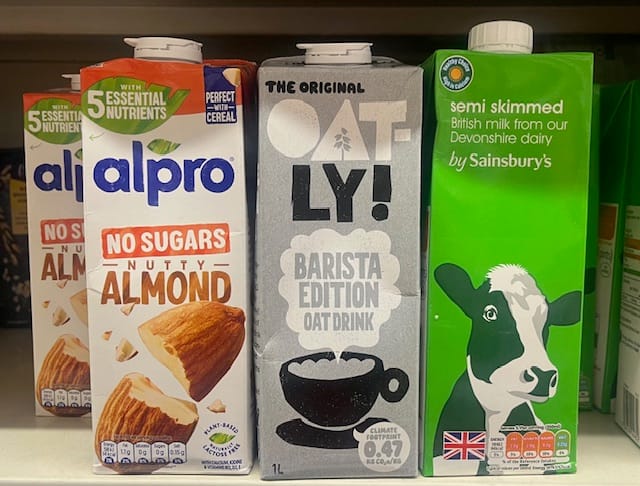

Most commercial plant-based milks are fortified with calcium, vitamin D, and B12 to match dairy's nutritional profile. When choosing plant-based options, always check labels for fortification and added sugars, opting for unsweetened varieties when possible.
Including Plant-Based Milk in a Balanced Diet
Incorporating plant-based milks into your diet requires mindful nutrition planning. For adequate protein intake, combine lower-protein options like almond or oat milk with protein-rich foods throughout the day. Pair your morning oat milk latte with eggs or Greek yogurt, or add nut butter to smoothies made with almond milk.
Variety is key. Rotating between different plant-based milks ensures a broader spectrum of nutrients. Use soy milk for protein-rich smoothies, oat milk for creamy coffee drinks, and almond milk in lighter applications. For those avoiding dairy entirely, ensure adequate calcium, vitamin D, and B12 through fortified products or supplements, and consult a nutritionist or a doctor about your nutritional needs.

Five Simple Recipes
1. Golden Turmeric Latte
Heat 1 cup oat milk with ½ tsp turmeric, ¼ tsp cinnamon, pinch of black pepper, and 1 tsp maple syrup. Whisk until frothy and warming spices are well combined.
2. Overnight Oats
Mix ½ cup rolled oats with ¾ cup almond milk, 1 tbsp chia seeds, and ½ tsp vanilla. Refrigerate overnight. Top with fresh berries and nuts before serving.
3. Creamy Tomato Soup
Blend roasted tomatoes with sautéed garlic and onions, then stir in ½ cup cashew milk for richness. Season with basil, salt, and pepper to taste.
4. Protein Smoothie Bowl
Blend 1 frozen banana, 1 cup soy milk, 1 tbsp peanut butter, and a handful of spinach. Pour into a bowl and top with granola, sliced fruit, and hemp seeds.
5. Vegan Mac and Cheese
Create a sauce by blending 1 cup coconut milk with nutritional yeast, garlic powder, and mustard. Toss with cooked pasta and vegetables for a comforting meal.
Plant-based milks offer versatility, nutrition, and sustainability. Whether you're fully plant-based or simply exploring alternatives, these options can enrich your culinary repertoire while supporting your health goals.