
For decades, weight-loss advice was about what to put on the plate. GLP-1 medicines such as Mounjaro (tirzepatide) and Wegovy (semaglutide) have changed the question. Now it is also about how much appetite is left to feed, how to keep stable energy levels, a healthy nutritional balance (without deficiencies) and how to maintain the right body composition (without muscle loss).
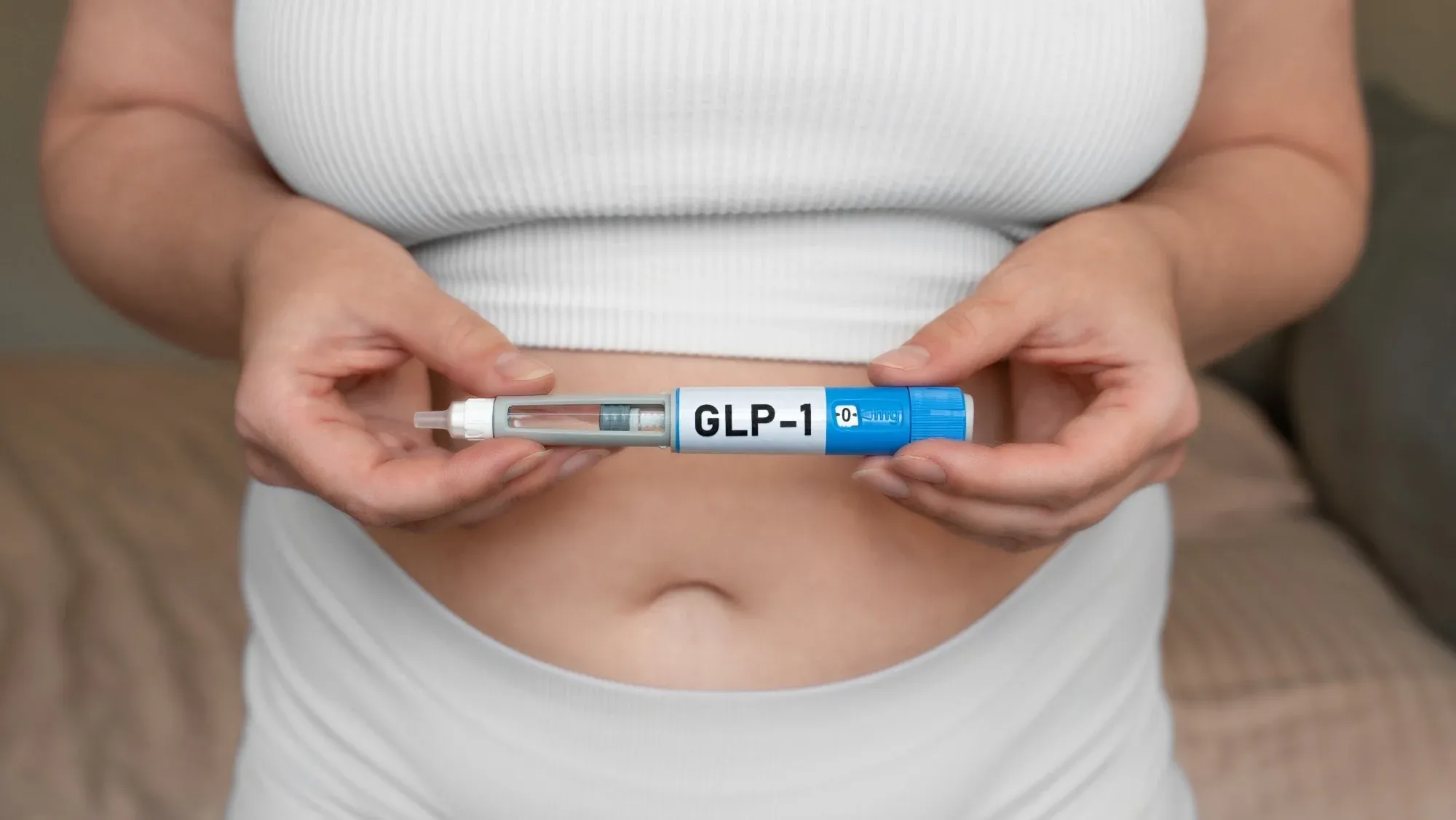
Semaglutides, the figures in the UK and in France
Britain, where the drugs have spread fastest in Europe, has become a live experiment in what that does to a nation’s eating habits. France, which has just started reimbursing the drugs, is only beginning to find out.
A UCL study has recently found that around 1.6 million adults in England, Wales and Scotland used drugs such as Wegovy and Mounjaro for weight loss between early 2024 and early 2025, and that four in five of those taking them solely for weight loss used Mounjaro.
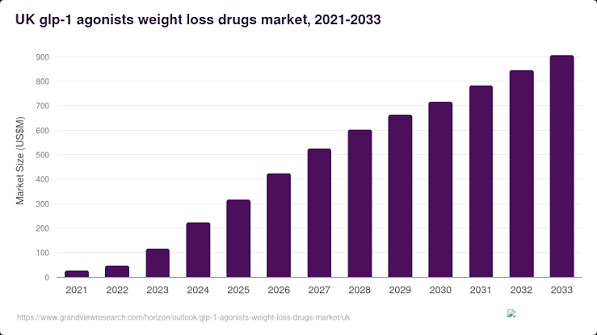
In 2026, Worldpanel (by Numerator) reported that 1.9 million adults in Britain are now on weight-loss medication, and that the share of households with at least one user, rose from 2.3% in 2024 to 6.3% in 2026.
The knock-on effect of semaglutides on what food we buy
The most striking finding is the effect on supermarket sales. Worldpanel calculated that the drugs wiped £780m from household grocery spending in the year to the end of February 2026, with each user household spending £418 less on take-home food and drink. These households bought 299 million fewer food items in the year after adoption.
A YouGov survey from February 2026 shows the same pattern. Current users spend an average of £91 a week on groceries, compared with £102 before treatment, an 11% reduction.
The behaviour appears to outlast the prescription. According to the same YouGov survey, former users still spend £100 a week against £107 before, and their takeaway spending fell from £49 to £40 a month.
Semaglutides and appetite
Why does appetite fall so sharply? Users describe the effect in similar terms. Over half (54%) report fewer cravings and less “food noise”. Unwanted food-related thoughts (like planning the next meal while still eating this one, rehearsing what is in the cupboard, negotiating with yourself over a snack you are not physically hungry for...) become less intrusive.
GLP-1 reduce appetite by mimicking the natural GLP-1 hormone that signals fullness in the brain. they also slow how quickly food leaves the stomach. Slowing stomach emptying contributes to earlier and longer satiety effects.
Unfortunately. about one in ten patients (11%) no longer enjoy their favourite foods and drinks. That last figure matters, because the loss of pleasure in food is a side effect that rarely makes the headlines. This is one of the reasons why it is essential to be accompanied by a specialised dietician to keep enjoying food (especially with friends or family) and avoid a potential eating disorder when the treatment is over.

Semaglutides and junk food
YouGov also found that 67% of users say they are less interested in junk food since starting, and 72% believe the drugs work better than traditional dieting. This is because gastric evacuation takes longer with GLP-1s. The stomach stays full for longer causing an early sensation of fullness and nausea if heavy, greasy or sugary food are ingested. Patients therefore naturally turn to lighter and smaller meals.
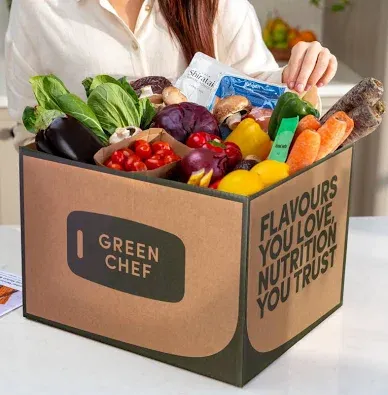
What replaces the junk? PwC’s survey found that 70% of users spend less on snacks and confectionery and 60% less on sugary drinks, while 60% spend more on fresh food and 54% more on high-protein options. Around 40% also spend more on vitamins and supplements.
Women dominate the trend. They account for 77% of users in Worldpanel’s poll of 11,500 households.
In Britain the story is largely about private purchase. PwC found that GLP-1 is no longer limited to the wealthy. Retailers have moved in. Boots launched a high-street weight-loss jab service in February, and Tesco rolled out its service to over 350 pharmacies in January. Meanwhile, patients who want NHS access can face long waits. One of my patients reported a one-to-two-year waiting list.
There is also the question of sustainability. YouGov found that 80% of users worry about regaining weight if they stop, and actually, UCL cautions that evidence suggests most people regain weight after treatment.
The French approach to semaglutides
France is at an earlier stage, and a more tightly controlled one. GLP-1 drugs have been authorised for obesity there since 2021, six years after the United States, and uptake was quieter. The need is large: nearly 18% of French adults, about 10 million people, are living with obesity.
The turning point came on 15 June 2026. Wegovy and Mounjaro are now reimbursed at 65% by the Assurance maladie for patients with massive obesity without comorbidity, or severe obesity with comorbidity. The criteria are strict. The Haute Autorité de Santé estimates the target population at between 1,050,000 and 2,100,000 patients, so many people with obesity remain outside the scheme. They will have to keep paying for the drugs themselves.
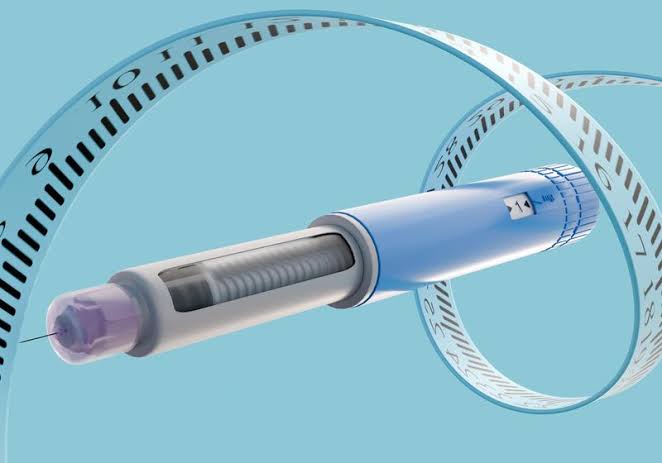
The market response was immediate. According to Gers Data figures presented in September, pharmacy sales of Wegovy and Mounjaro jumped 74% in volume in the weeks after reimbursement began. Mounjaro accounts for 72% of boxes and Wegovy 28%. 74% of patients presenting a prescription are women, a gender split strikingly close to Britain’s. The wider GLP-1 class added €221 million in sales between August 2025 and August 2026, up 61%.
The price tag explains the caution. For Wegovy, the Sécu pays €1,537.86 per patient in the first year.
the British data show a clear direction: smaller baskets, fewer snacks and sugary drinks, more protein and fresh produce. France’s food culture, with its strong tradition of structured meals, may shape the effect differently. Because reimbursement is limited to severe obesity, the early French users are also a different population from the largely self-paying British one.
Practical lessons for anyone eating on a GLP-1
The British findings point to a few consistent themes, but they are no substitute for advice from a dietitian :
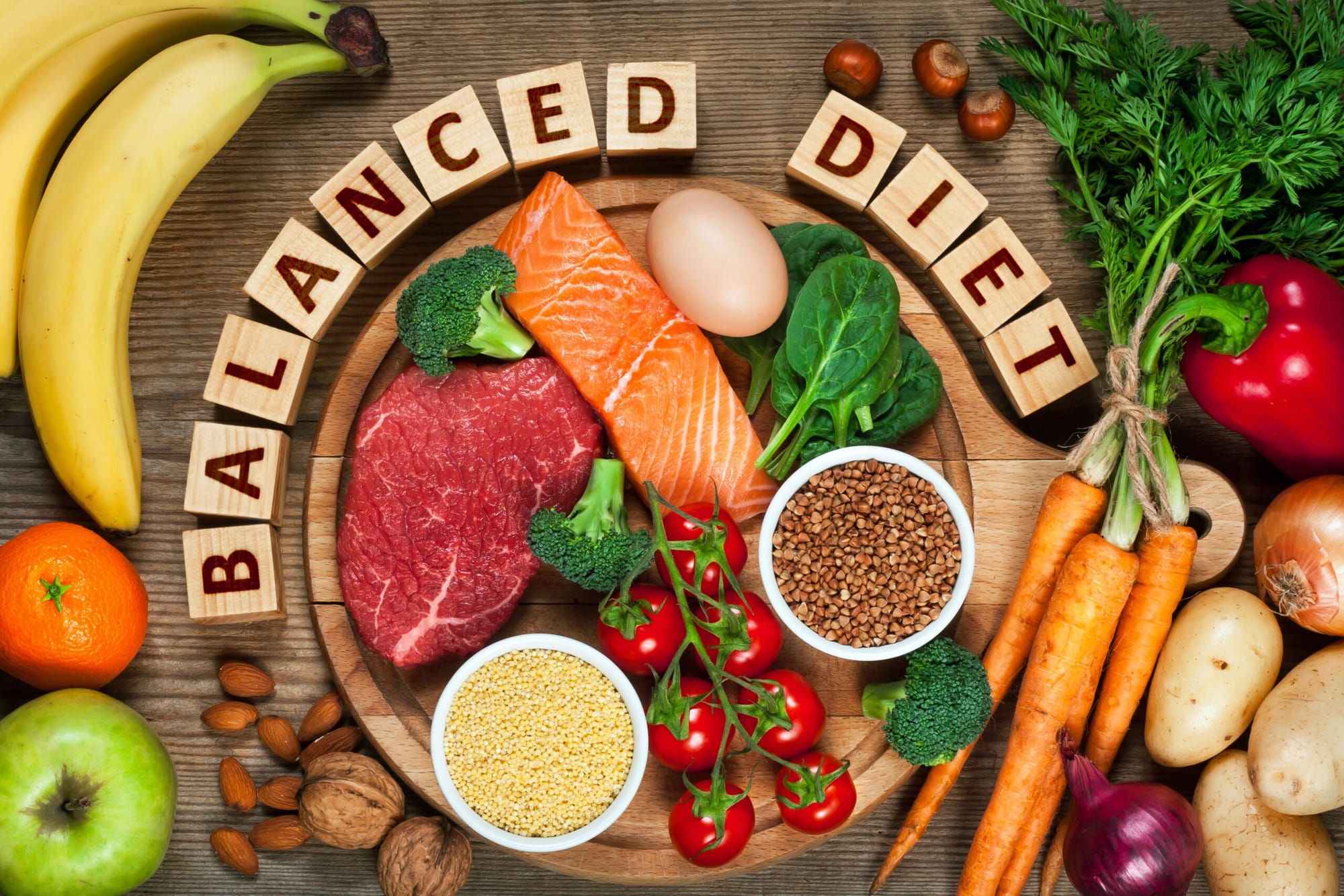
- Prioritise protein and nutrient density. With less appetite, each meal has to be high in proteins and fresh foods.
- Plan for smaller portions. Fullness arrives earlier, so smaller and more frequent meals are often easier to tolerate.
- Watch for loss of enjoyment. If food stops being pleasurable, tell your clinician rather than simply eat less.
- Think about the long term. Since many users fear regain, building eating habits that can survive without the drug is the real goal. France’s 2026–2030 obesity plan is meant to support patients beyond the prescription alone.
The bottom line
The UK shows that GLP-1 drugs are not only a medical phenomenon but a food one: roughly one household in sixteen now buys measurably less, and differently. The next few quarters of French data will show whether the British pattern repeats.
Francine Joyce - nutritionist and diététicienne
Sources: UCL (Jan 2026), Worldpanel by Numerator (June 2026), YouGov (Feb 2026), PwC UK, Gers Data/Vidal (Sept 2026), HAS, Assurance maladie.


